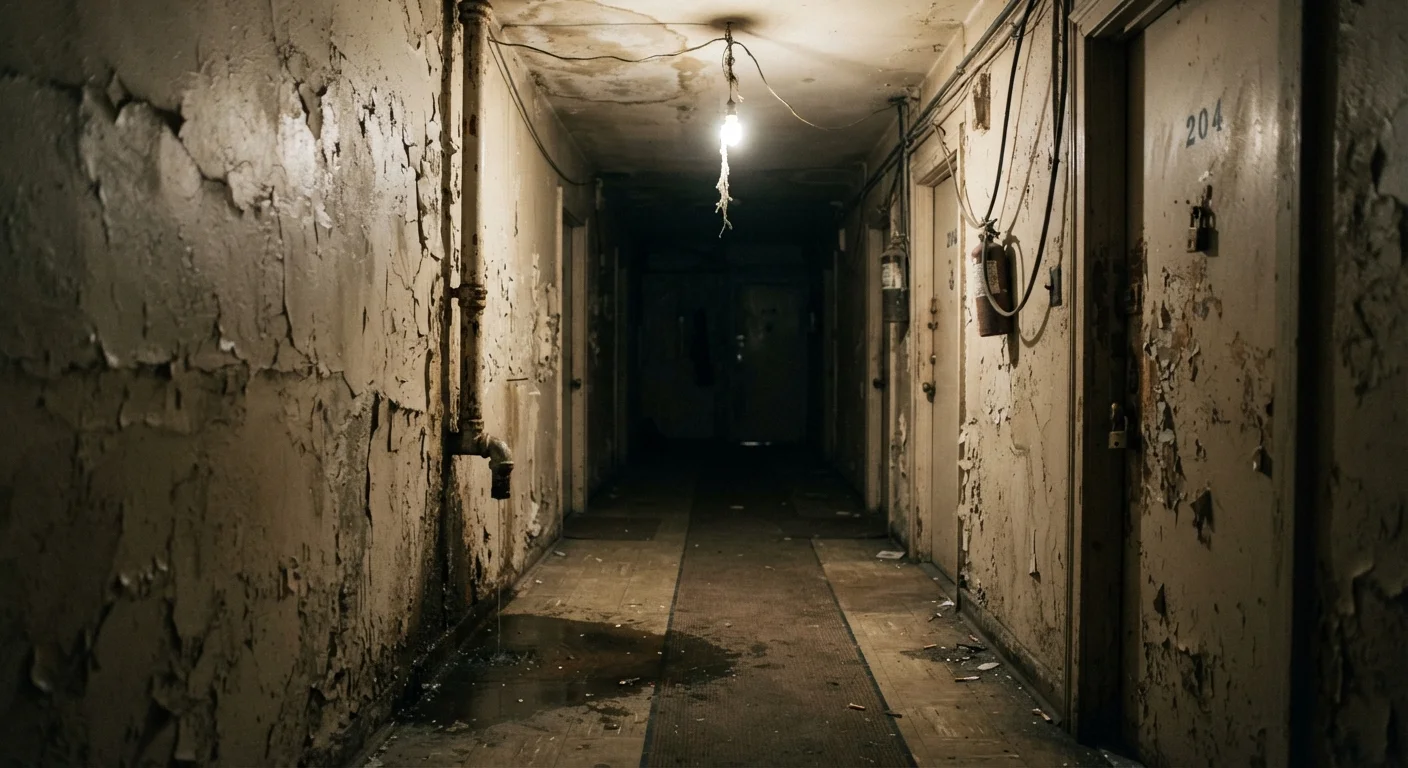
What the Law Actually Requires of Landlords
Most renters know their landlord is supposed to "keep the place in good shape," but that informal understanding often falls apart when something goes seriously wrong. The legal standard is more precise — and more powerful — than most tenants realize.
Under the implied warranty of habitability, landlords must maintain rental properties so they meet basic structural, health, and safety standards throughout the entire tenancy. This means the obligation does not end at move-in. The duty is continuous.
Specifically, courts and housing codes across the country generally require that a rental unit:
- Have adequate heating and, in many states, cooling systems that function properly
- Provide hot and cold running water connected to a working plumbing system
- Be free from significant pest or rodent infestations
- Have a structurally sound roof, walls, and floors
- Include working electrical systems and sufficient lighting
- Be free from toxic conditions such as lead paint hazards or extensive mold growth
- Have functional locks on exterior doors and windows
These are floor-level minimums. Local housing codes may require more. To understand how protections apply specifically in your state, see our tenant rights state-by-state overview.
Habitability vs. Comfort: A Key Distinction
The legal warranty covers conditions affecting health, safety, and basic livability — not every inconvenience or cosmetic issue. A landlord's failure to repaint walls or replace aging carpet does not typically rise to a habitability violation. When evaluating your situation, ask whether the condition affects your safety or your ability to live in the unit, not simply whether it bothers you.
Conditions That Cross the Legal Line
Not every maintenance issue constitutes a habitability violation. A squeaky floorboard or slow-draining sink is an annoyance; a collapsed ceiling or non-functional furnace in January is a legal matter. Understanding the difference protects you from acting prematurely — or too late.
Conditions courts have consistently found to breach habitability standards include:
- No heat or hot water — especially during cold months, this is often treated as an emergency requiring a landlord response within 24–72 hours
- Active water leaks or sewage backups — these create both health hazards and structural damage
- Significant mold growth — particularly in areas affecting air quality or caused by a landlord's failure to address water intrusion
- Rodent or cockroach infestations — especially when caused or worsened by the building's condition rather than tenant behavior
- Broken exterior locks or windows — which compromise physical security
- Non-functional smoke or carbon monoxide detectors — required by law in most jurisdictions
Documenting these conditions carefully is essential. Written complaints submitted by email or certified mail create a record that matters if the dispute escalates. Our guide on communicating with your landlord covers how to build a paper trail that protects you.
~49
U.S. states recognizing implied warranty of habitability
According to legal scholars and tenant rights organizations, nearly all U.S. states have adopted some statutory or judicial form of the implied warranty of habitability.
34%
Renters reporting unaddressed maintenance issues
A 2023 Harvard Joint Center for Housing Studies report found roughly one-third of renter households reported maintenance or repair problems their landlord did not address within a reasonable time.
7–30 days
Typical landlord repair window after written notice
Most state statutes require landlords to begin or complete non-emergency repairs within 7 to 30 days of receiving written notice from the tenant, depending on the severity of the issue.
What Tenants Can Do When Landlords Don't Act
When a landlord ignores a habitability complaint, tenants are not simply stuck waiting. Most states provide several legal remedies, though which ones are available — and how to use them correctly — depends on where you live.
Repair-and-Deduct
In states that permit it, tenants can hire a licensed contractor to fix a serious habitability problem and then deduct the cost from rent. This remedy typically has a dollar-amount cap (often one month's rent) and requires prior written notice to the landlord. Attempting this without following state-specific procedures can expose you to eviction claims.
Rent Withholding or Rent Escrow
Some states allow tenants to stop paying rent — or pay into a court-supervised escrow account — until violations are corrected. This is a powerful tool but also a high-stakes one. Courts require tenants to have followed proper notice procedures and to be current on rent up to that point.
Lease Termination
When conditions are severe enough to make the unit genuinely unlivable, many states allow tenants to terminate the lease without penalty under the legal concept of constructive eviction. This means the landlord's failure to maintain the property effectively forced the tenant out.
Filing a Complaint
Tenants can report violations to local housing or code enforcement authorities, who have independent power to inspect, cite, and fine landlords. This route does not require a lawyer and can prompt faster action than private negotiation alone.
Always Notify in Writing First
Before using any legal remedy — rent withholding, repair-and-deduct, or lease termination — you must give your landlord written notice of the problem and a reasonable opportunity to fix it. A verbal complaint alone is rarely sufficient in court. Send notice by email with read receipts or certified mail, and keep copies of everything. See our article on landlord communication practices for a step-by-step approach.
This article provides general educational information about tenant rights and is not legal advice. Laws vary significantly by state and locality. Consult a licensed attorney or local tenant rights organization for guidance specific to your situation.