The Altitude Reality: What to Expect at 7,300 Feet
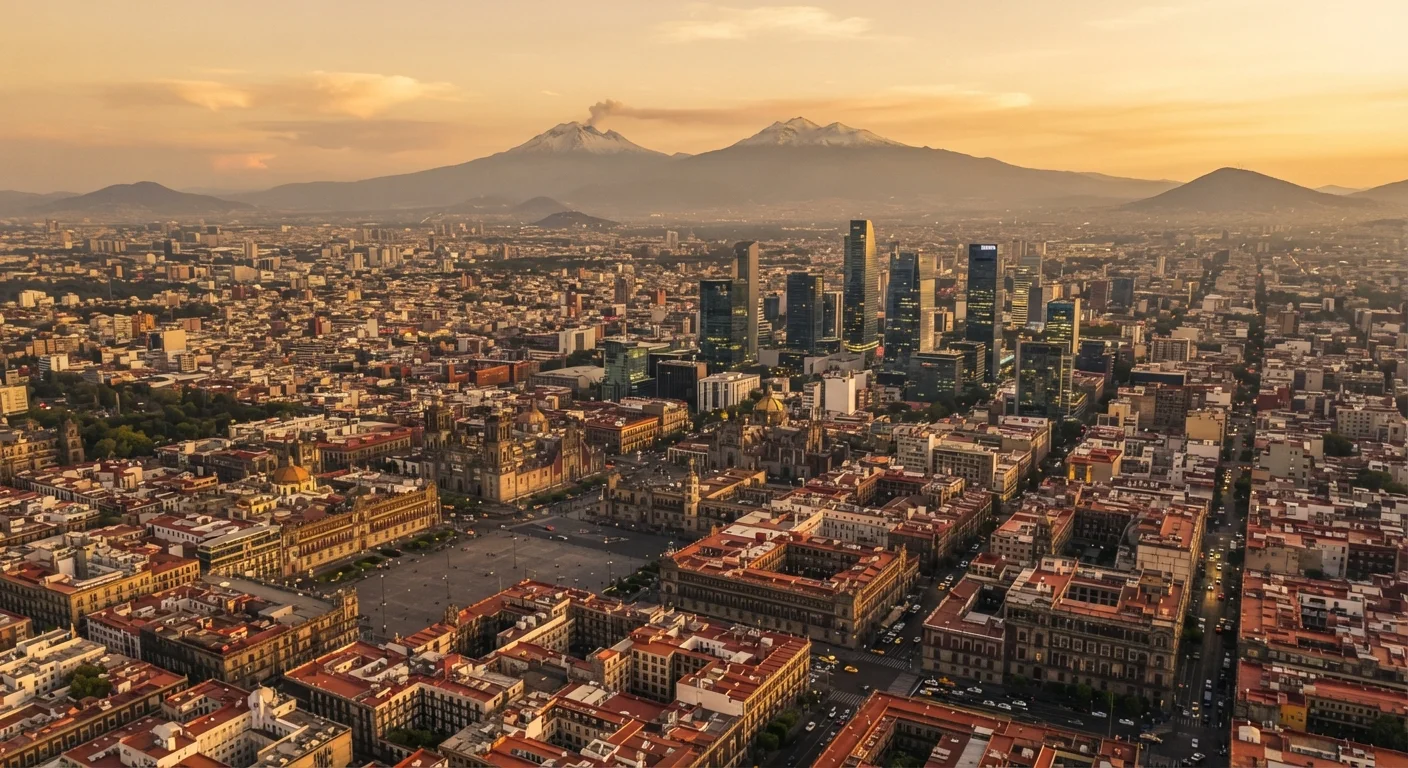
Mexico City sits in a high-altitude basin at approximately 7,300 feet (2,240 meters) above sea level — higher than Denver, and enough elevation to genuinely affect how your body functions in the first couple of days. This isn't a scare tactic; it's the single most underestimated factor first-time visitors face.
Make Your First Day a Recovery Day
Schedule your arrival day as a gentle one — a neighborhood walk, a quiet meal, and an early night. Altitude adjustment happens faster when you don't push your body hard immediately. Save the major museums and longer excursions for days two and three when you'll genuinely enjoy them more.
Common altitude-adjustment symptoms include mild headaches, unusual fatigue, slight breathlessness on stairs, and disrupted sleep. Most healthy adults feel these ease within 48 hours. The practical advice is straightforward: drink more water than you think you need, limit alcohol for the first day or two, and don't schedule your most demanding sightseeing on arrival day. Let your body catch up before you hit the museums.
If you have pre-existing heart, lung, or blood-pressure conditions, a conversation with your doctor before travel is genuinely worthwhile — not just a formality. This article is for general informational purposes and is not medical advice.
Understanding the City's Scale
The numbers are almost hard to process: the Greater Mexico City metropolitan area is home to roughly 21 million people, making it one of the largest urban centers in the Western Hemisphere. The city itself covers over 570 square miles. This scale has direct, practical consequences for how you plan your days.
Altitude sickness
A physical response to reduced oxygen at high elevations, causing symptoms like headache, fatigue, and breathlessness. Usually mild and temporary at Mexico City's elevation for healthy adults.
Metro (Sistema de Transporte Colectivo)
Mexico City's subway network — one of the world's largest — connecting most major neighborhoods with frequent, low-cost service.
Colonia
The Spanish word for neighborhood or district. Mexico City is divided into hundreds of colonias, each with its own distinct character and amenities.
Fonda
A small, informal restaurant typically serving traditional home-style Mexican cooking at accessible prices — a staple of everyday eating in the city.
Templo Mayor
The main temple of the ancient Aztec capital Tenochtitlán, now an archaeological site and museum located in the Centro Histórico.
Traffic is the defining daily challenge. Crosstown journeys that look manageable on a map can take 45 minutes to an hour and a half in a car during peak hours. The metro system — one of the world's busiest — moves millions of people efficiently and cheaply, and it's genuinely useful for many tourist routes. But understanding the city's layout in advance, and grouping nearby sites into single days, will save you enormous time and frustration.
Think of Mexico City less like a single destination and more like a collection of distinct villages that grew into each other. That mental shift changes how you explore.
Neighborhoods That Matter for First-Timers
Where you stay in Mexico City shapes your entire experience. A few neighborhoods are particularly relevant for newcomers:
- Centro Histórico: The historic heart — the Zócalo, the Metropolitan Cathedral, and the ruins of the Aztec Templo Mayor are all here. It's dense, chaotic, and historically extraordinary, but less comfortable as a nightly base for most first-timers.
- Roma Norte and Condesa: Tree-lined streets, independent cafés, restaurants, and a walkable urban energy. These two adjacent neighborhoods are consistently popular with travelers and offer easy metro and rideshare access to the rest of the city.
- Polanco: The city's most upscale district, home to world-class museums including the Museo Soumaya, high-end dining, and a quieter street pace. A comfortable but pricier base.
- Coyoacán: South of the center, this bohemian neighborhood holds the Frida Kahlo Museum and some of the city's most pleasant plazas. Typically better as a day trip destination than a home base.
Matching your neighborhood to your travel style — and your planned itinerary — makes a genuine difference.
Cultural Depth: What Most Visitors Miss
Mexico City is layered in a way that rewards visitors who look past the obvious landmarks. The city was built, literally, on top of Tenochtitlán — the capital of the Aztec (Mexica) empire — and archaeological discoveries still emerge during construction projects. The Templo Mayor, right in the historic center, sits beside the colonial-era cathedral in a visual collision of civilizations that has few parallels anywhere.
The city's museum density is extraordinary. The Museo Nacional de Antropología holds one of the world's preeminent collections of pre-Columbian artifacts. The murals of Diego Rivera — covering government buildings across the centro — are public art on an epic, politically charged scale. Contemporary galleries in Roma and Juárez tell entirely different stories about who Mexico City is becoming.
Eating Street Food Safely
Street food in Mexico City is a genuine culinary tradition, not just a budget option. Look for stalls with high turnover — the more locals eating there, the better the sign. Stick to cooked items and be more cautious with raw preparations if your stomach is still adjusting. Many experienced travelers eat street food without issue from day one; others prefer to ease in gradually.
Food is inseparable from culture here. Tacos al pastor, tlayudas, tamales, and regional moles represent distinct culinary traditions — not interchangeable items. Eating from market stalls and neighborhood fondas (casual home-cooking restaurants) connects you to everyday city life in a way no upscale restaurant alone can replicate.
Practical Logistics Before You Land
A few logistical realities worth knowing ahead of time:
- Getting from the airport: Benito Juárez International Airport sits within the city. The metro and authorized taxi lines (booked inside the terminal) are both viable options. Avoid accepting unsolicited ride offers outside the terminal.
- Ride apps: App-based ride services operate widely in the city and are generally considered safer than hailing street taxis. Confirm your driver matches the app's details before getting in.
- Currency: Carry pesos in cash for markets, street food, and smaller transactions. Major cards are accepted widely in restaurants and shops in tourist zones.
- Air quality: Check air quality indexes during your trip, particularly if you have respiratory sensitivities. Some days — especially in winter — can bring elevated pollution.
- Entry requirements: Visa rules and health requirements change. Verify current entry conditions with official Mexican government sources and your country's foreign affairs department well before travel.
Mexico Tourism Official Portal
The Mexican government's official tourism site offers destination overviews, cultural calendars, and logistical information updated for travelers planning a visit.
CDMX Metro Route Planner
The official Mexico City metro system map and route tool helps visitors navigate the subway network efficiently and plan inter-neighborhood journeys.
IQAir Air Quality Map
A real-time air quality monitoring tool useful for checking pollution levels in Mexico City on specific days, particularly helpful for travelers with respiratory sensitivities.
Mexico City rewards preparation — and even more, it rewards curiosity. Give it enough time and a willingness to get pleasantly lost, and it almost always exceeds expectations.