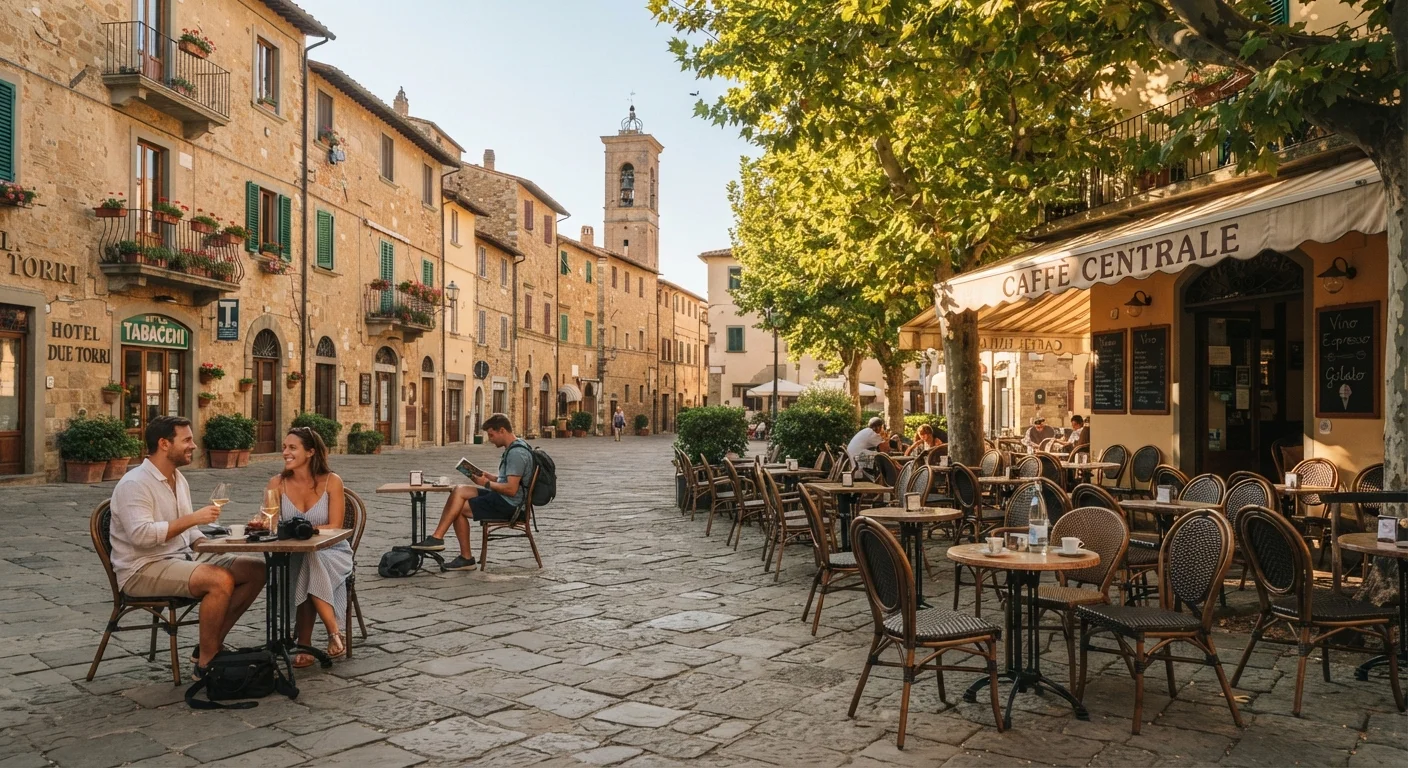
What 'Shoulder Season' Actually Means
Ask ten travelers what shoulder season means and you'll get ten slightly different answers — because the concept isn't universal. At its core, shoulder season refers to the travel period between a destination's peak (most popular, most expensive) and off-peak (least visited, often weather-challenged) windows. But what that looks like on the calendar varies dramatically from place to place.
A May visit to Iceland is shoulder season. So is a November trip to Southeast Asia. So is October in New York City. Same label, completely different experiences. That's why treating shoulder season as a single travel hack misses the point — the value is in knowing what it means specifically at your destination.
As part of a well-planned trip, understanding seasonal timing isn't just about saving money — it's about setting accurate expectations for weather, crowds, and what's actually open.
| Primary benefit of shoulder season | Lower crowds and reduced accommodation rates vs. peak |
| Primary trade-off | Weather variability and possible service reductions |
| Northern Hemisphere shoulder (general) | April–May and September–October |
| Southern Hemisphere shoulder (general) | March–April and October–November |
| Tropical destinations | Shoulder often = early or late rainy season; check monthly rainfall averages |
| Key planning step | Verify which specific attractions remain open during shoulder months |
Shoulder Season at 12 Popular Destinations
Here's a realistic, destination-by-destination breakdown of what off-peak timing actually delivers.
Peak Season
The period when a destination receives its highest visitor volume, typically coinciding with the most favorable weather or major holidays. Prices for accommodations, flights, and tours are generally highest during this window.
Off-Peak Season
The least popular travel period at a destination, often due to unfavorable weather, reduced services, or cultural quiet periods. Prices are lowest, but the trade-offs can be significant.
Shoulder Season
The transitional period between peak and off-peak. Crowds are thinner and prices are lower than peak, while conditions are generally more favorable than full off-peak. The exact timing and trade-offs vary widely by destination.
Green Season
A term used in tropical destinations (particularly Central America) for the rainy or low season. Often rebranded as 'green season' because lush vegetation and active wildlife can make it appealing despite the rain.
- Paris, France
- Shoulder: October–November and March–April. You'll find manageable museum queues and softer hotel rates. November brings grey skies and occasional rain — pack layers. Spring shoulder (March) can still be cool but rewards with blooming gardens and fewer selfie sticks at major monuments.
- Bali, Indonesia
- Shoulder: April–May and September–October. These months sit between the dry peak and the wet season, offering mostly good weather with occasional afternoon showers. Prices at villas and surf schools dip noticeably compared to July–August.
- Yellowstone National Park, USA
- Shoulder: May and September–October. Spring shoulder means muddy trails but extraordinary wildlife sightings (bison calving, bear activity). Fall is arguably the best time — elk rut, golden foliage, and dramatically thinning crowds after Labor Day.
- Rome, Italy
- Shoulder: April and October–November. Avoid August (hot, crowded, many locals leave) and Christmas. October is a local favorite — warm enough for outdoor dining, cool enough for walking without wilting, and the Vatican lines are genuinely shorter.
- Tokyo, Japan
- Shoulder: June (rainy season) and late November–early December. Cherry blossom season (late March–April) and autumn foliage (mid-November) are peak. June brings humidity and rain but uncrowded temples and discounted ryokan stays.
- Iceland
- Shoulder: May and September. Peak is June–August for midnight sun and F-road access. May offers the northern lights' tail end, green landscapes beginning to emerge, and far fewer tourists. September balances lingering daylight with the first aurora windows.
- Cancún & the Riviera Maya, Mexico
- Shoulder: May and late November. Hurricane season runs June–October; December–April is peak. May is warm, relatively dry, and significantly cheaper before summer family travel spikes. The reef is uncrowded and visibility is excellent for snorkeling.
- New York City, USA
- Shoulder: March–April and October–November. NYC never truly goes off-peak, but these windows bring better hotel rates and thinner sidewalk crowds. October is a crowd favorite for locals — crisp air, fall foliage in Central Park, and no summer humidity.
- Cape Town, South Africa
- Shoulder: March–April and October–November (Southern Hemisphere shoulder). Peak is December–February (austral summer). March offers lingering warmth, fewer tourists, and the tail end of whale shark season. October is ideal for wildflower blooms in nearby Namaqualand.
- Kyoto, Japan
- Shoulder: June and January–February. Kyoto's spring (cherry blossoms) and fall (foliage) are mobbed. Winter shoulder means crisp air, occasional snow dusting on temple rooftops, and dramatically quieter bamboo groves — at the cost of shorter daylight and cold mornings.
- Costa Rica
- Shoulder: May and November. The green season (May–November) is technically low season, but early and late months in this window see the least rain. Wildlife activity surges — sea turtle nesting, migratory birds — and eco-lodges can be 20–40% cheaper than dry-season rates.
- Amsterdam, Netherlands
- Shoulder: March and October–November. Tulip season (late April–May) draws massive crowds. March brings the city before the bloom rush — canal reflections, quieter museums, and shoulder fares. October sees falling leaves, fewer tour groups, and a cozy café culture that rewards the slower pace described in slow travel planning.
How to Use This Information Before You Book
Shoulder season isn't automatically the right choice — it involves genuine trade-offs. Some attractions or tours only operate during peak season. Weather can swing unpredictably. A few destinations have a shoulder period so brief it barely exists in practice.
Before booking, verify: Which specific months constitute shoulder at your destination (not just the general advice you've read online)? Are the attractions you most care about fully operational? What's the realistic weather range, not the optimistic version? And does the cost saving actually justify the compromises for your travel style?
Used thoughtfully, shoulder timing is one of the most genuinely effective tools in a traveler's planning kit — not as a budget hack, but as a way to experience places more authentically.
Verify Entry Requirements and Safety Conditions
Visa rules, vaccination requirements, and travel advisories can change. Before traveling in any season, check official government sources — such as travel.state.gov for U.S. citizens — for the most current entry requirements, health recommendations, and safety conditions at your destination. Shoulder season doesn't change entry logistics.