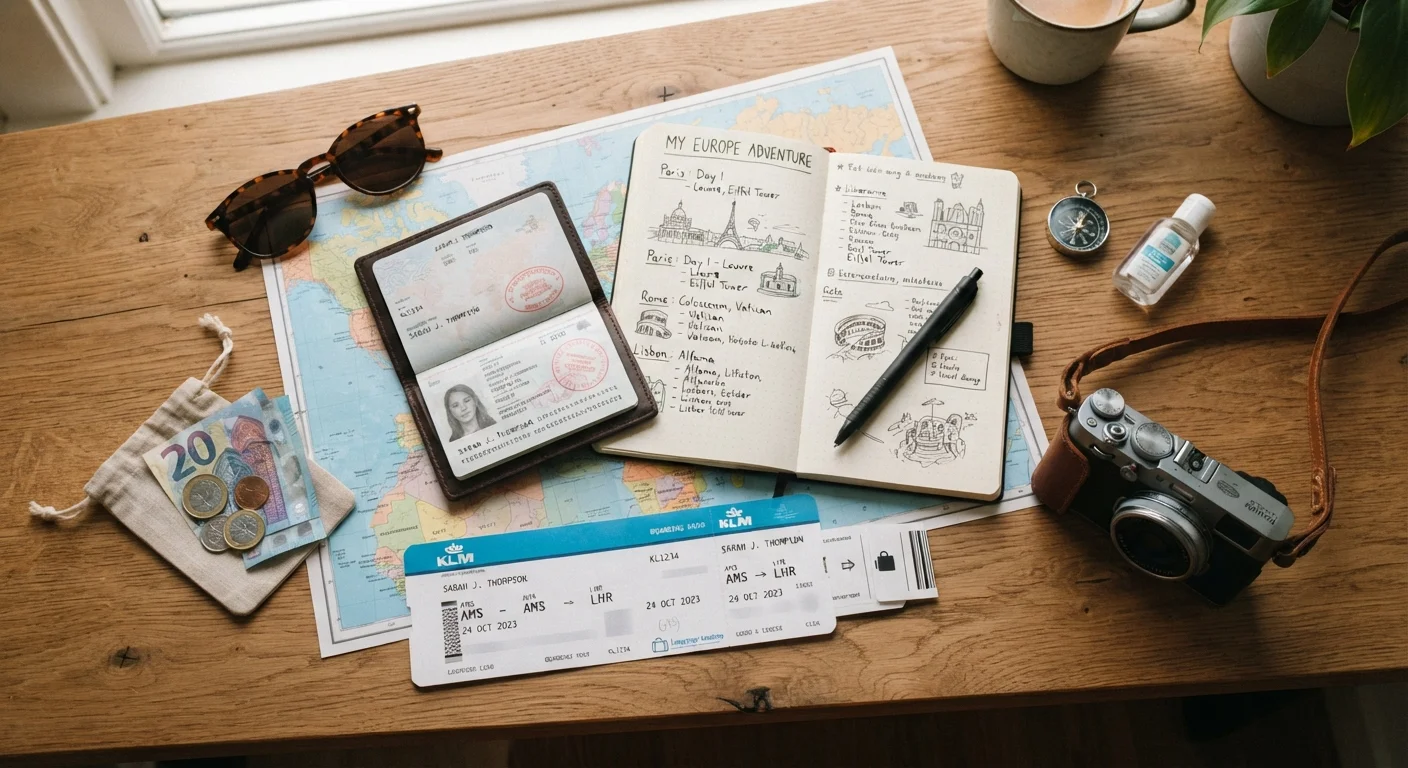
Choose Your Destination with Intention
Every strong trip starts with a clear-eyed destination decision — not one made because a flight was on sale or a photo looked beautiful on social media. Before you search for deals, answer three questions honestly: What do I want to feel on this trip? How much time do I actually have? What is a realistic total spend I'm comfortable with?
Those three inputs — purpose, time, and money — will narrow your options faster and more usefully than any algorithm. A week in a time-zone-distant destination often means the first two days are lost to adjustment; a domestic road trip through familiar territory might deliver more genuine rest. Check our Destinations Guide for honest, practical overviews of popular domestic and international options to help you compare.
Before committing to a destination, write down what you actually want from the trip — rest, adventure, culture, or a mix — then check whether the destination genuinely delivers that in the timeframe you have.
Misaligned expectations between what a destination offers and what a traveler needs are one of the most common sources of post-trip disappointment.
Build your accommodation budget first, then allocate remaining funds — lodging is typically your largest fixed cost and the hardest to adjust once booked.
Locking in accommodation costs early gives you an accurate picture of what's left for food, activities, and transport, preventing budget drift.
Screenshot or download offline copies of all confirmations, maps, and entry documents before you leave home — connectivity is never guaranteed.
Relying on live internet access for critical documents abroad can cause serious delays at borders, airports, and hotels.
Consider seasonality seriously. Shoulder seasons (the weeks just before or after peak tourist periods) often offer a combination of lower crowds, moderate weather, and better accommodation availability — without the premium pricing of high season.
Build a Realistic Budget
Most trips go over budget not because travelers are reckless, but because they plan for flights and hotels and forget everything else. A complete trip budget has six categories: transportation, accommodation, food, activities and entrance fees, local transit, and a contingency reserve.
60%
Travelers who exceed their trip budget
U.S. Travel Association research consistently finds that most leisure travelers spend more than originally planned, often due to unaccounted daily expenses.
6+ months
Advance notice for passport renewal
The U.S. State Department recommends applying at least six months before travel due to variable processing times.
~10%
Recommended contingency fund of trip cost
Travel finance guides broadly recommend setting aside 10% of total trip cost to absorb unexpected expenses.
Write each estimate down before you book anything. If the total exceeds your comfort level, identify which categories have flexibility — often food and activities — and adjust. For a deeper dive into cost-conscious trip planning, the Travel on a Budget hub covers smart strategies to travel well without overspending, and the Budget Travel End-to-End Resource walks through every cost stage from planning to return.
Lock In Bookings Strategically
Sequencing your bookings matters. Flights first, then accommodation — because your lodging options depend on your arrival and departure windows. For popular destinations during peak periods, book accommodation as soon as your dates are confirmed; waiting for a better deal often means no availability at any price.
Start Your Itinerary Loose, Then Tighten It
Sketch a day-by-day outline with anchor activities but leave breathing room each day. Over-scheduling is one of the fastest ways to turn a vacation into an exhausting obligation. Aim for one or two fixed commitments per day and let the rest unfold naturally.
Be deliberate about what you pre-book versus what you leave open. Booking a full day-by-day activity schedule months out removes flexibility and can make a trip feel like a checklist obligation. Pre-book only high-demand, limited-capacity experiences: guided tours of major sites, reservations at popular restaurants, national park timed-entry permits. Leave the rest open to what you discover on the ground.
For a structured look at how each phase of planning connects, see the anatomy of a well-planned trip, which explains why sequencing matters at each stage.
Handle Documents and Entry Requirements
This is the phase where skipping steps creates real consequences. For international travel, verify: passport validity (many countries require six months of validity beyond your return date), visa requirements specific to your nationality, any health documentation or vaccination requirements, and travel insurance requirements or recommendations.
Don't Book Before Checking Entry Requirements
Visa rules, passport validity windows, and health documentation requirements can and do change. Always consult your destination country's official embassy website and the U.S. State Department's travel portal before purchasing non-refundable flights or accommodations. Booking first and researching later is a costly mistake.
For domestic travel, don't assume documents are irrelevant — TSA requires REAL ID-compliant identification for domestic flights. If your state-issued ID isn't REAL ID-compliant, a valid passport is your alternative. Check the official TSA website for current identification requirements.
Keep both digital and printed copies of all confirmations, insurance documents, and identification. Store them separately from the originals.
Pack Smart, Not Heavy
Packing well is a skill built on a single principle: bring what you'll actually use, not what you might theoretically need. Start with a master list organized by category — clothing, toiletries, electronics, documents, medications — then cut it by roughly 20% before you zip the bag.
Check your airline's current baggage policy directly before packing. Policies and fees vary and change; don't rely on what you recall from a previous trip. For carry-on travelers, the TSA 3-1-1 rule for liquids applies to all domestic and most international U.S. departures — verify current rules at the TSA website before you pack toiletries.
Domestic Trips Need Planning Too
It's easy to assume domestic travel is plan-as-you-go, but peak-season destinations like national parks, coastal towns, and major cities often require advance reservations for lodging and popular sites months ahead. Apply the same framework regardless of whether you're crossing a border or a state line.
The Pre-Trip Planning Checklist is a practical reference to run through in the days before departure to make sure nothing critical slips through.
Build In Contingencies
No plan survives contact with reality completely intact — flights get delayed, weather changes, bookings occasionally go wrong. The travelers who handle disruptions best aren't the ones who planned every minute; they're the ones who built slack into their plans and prepared for the unexpected financially.
Verify Everything with Official Sources
Visa rules, border crossing hours, vaccination requirements, and airline policies are subject to change without notice. The information in this guide is general and educational — always confirm current requirements directly with official government websites, your airline, and your accommodation provider before you travel. Conditions at your destination may differ from what any article describes.
Two contingencies belong in every trip plan: a financial reserve (generally around 10% of total trip cost) held back for unexpected expenses, and travel insurance that covers at minimum trip cancellation, medical emergencies, and emergency evacuation. Read any policy carefully before purchasing — coverage, exclusions, and claim processes vary significantly between providers. Consult a licensed insurance professional if you have questions about what coverage is appropriate for your situation.
For first-time independent travelers who want a beginner-friendly walkthrough of this entire process, the Travel Planning From Scratch guide covers each stage in accessible, step-by-step detail.
“The more you plan a trip, the more freedom you have on it. A plan isn't a cage — it's the thing that lets you stop worrying and start paying attention.”
— Rick Steves, Travel writer and public television host