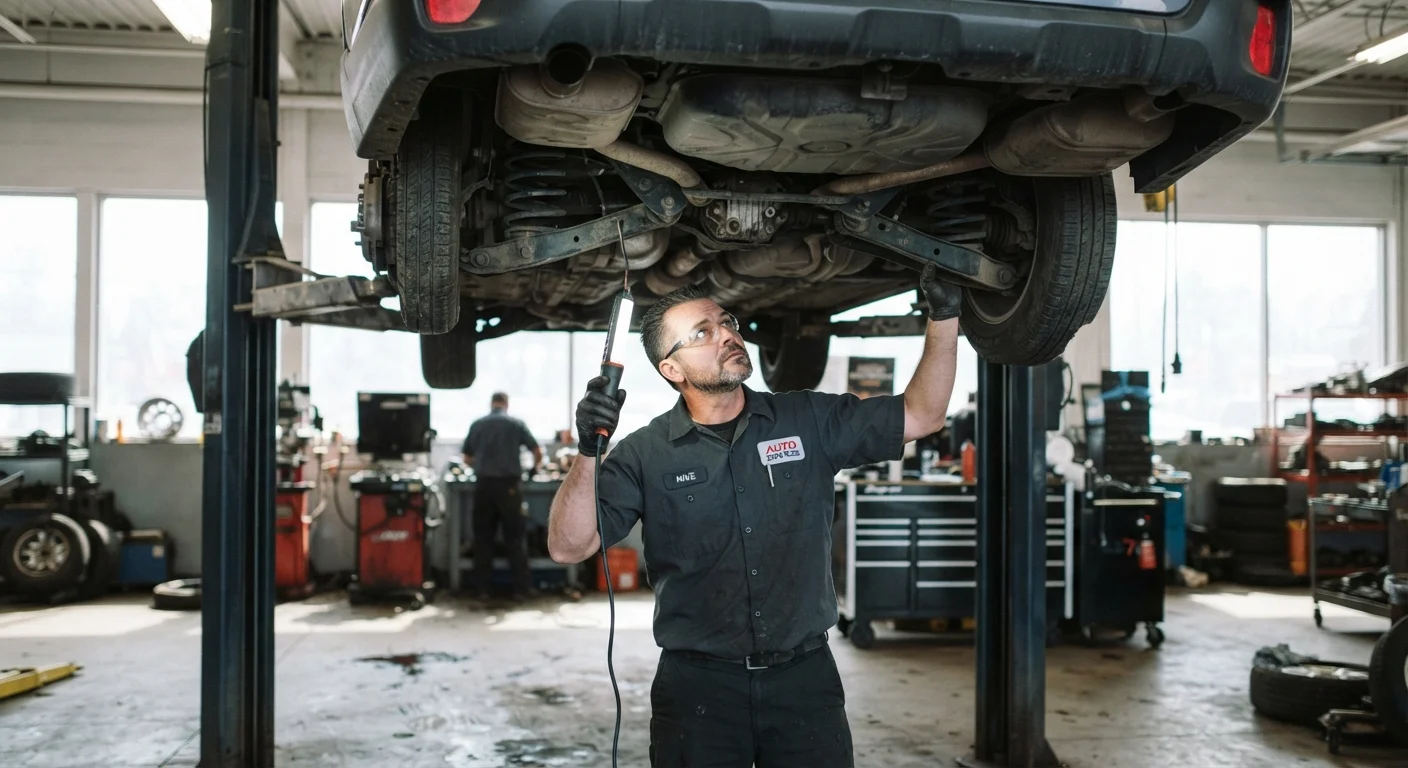
Why a Pre-Purchase Inspection Is Worth the Cost
Buying a used vehicle without an independent inspection is one of the more common - and costly - mistakes buyers make. A car can look clean, drive reasonably well on a short test drive, and still have thousands of dollars in hidden problems: an oil leak that only shows up on a lift, a transmission that's slipping under load, or frame damage disguised by fresh paint.
A pre-purchase inspection (PPI) typically costs between $100 and $200 depending on your region and the scope of the review. That fee can reveal problems that would cost significantly more to repair after the sale - or give you confidence that the vehicle is sound. Either outcome is worth the investment.
Even vehicles marketed as certified pre-owned may benefit from an independent look, since manufacturer certification standards vary and the inspecting technician is employed by the seller, not the buyer.
What you will need
Before you get started, having the right resources in place will make the process straightforward.
Independent Mechanic or Auto Shop
Performs the physical inspection of the vehicle's mechanical and structural condition.
Vehicle History Report
Provides records of past accidents, ownership changes, title issues, and odometer readings.
OBD-II Scanner
Reads stored diagnostic trouble codes from the vehicle's onboard computer to flag electronic or emissions issues.
How to Arrange and Conduct the Inspection
The steps below walk you through the full process - from pulling a vehicle history report to using the mechanic's findings in your final decision.
Pull a Vehicle History Report First
Before scheduling an inspection, obtain a vehicle history report using the car's VIN. This report can reveal prior accidents, flood or salvage title designations, odometer rollbacks, and the number of previous owners. A history report doesn't replace a mechanical inspection - it complements it by flagging issues the mechanic should pay particular attention to.
Choose and Arrange Your Independent Mechanic
Select a licensed shop with no ties to the seller. If the vehicle is local, choose a shop you already trust. If you're buying from a distance, search for independent repair shops near the vehicle's location and call ahead to confirm they perform pre-purchase inspections. Agree on scope and cost before the appointment. Most PPIs take one to two hours.
Coordinate the Inspection With the Seller
Contact the seller and explain that you want an independent inspection before finalizing any agreement. Most legitimate sellers will accommodate this request. Arrange for the vehicle to be driven or transported to the shop. If the seller insists the car can only be inspected on-site, ask whether a mobile mechanic is an option - some shops offer this service.
Understand What the Mechanic Examines
A thorough PPI typically includes the following areas:
- Engine and drivetrain: Oil condition, coolant level, signs of leaks, belt and hose condition, and whether the engine starts and idles cleanly.
- Transmission: Smooth shifting, fluid condition, and any slipping or hesitation during the test drive.
- Brakes and suspension: Pad thickness, rotor condition, shock absorber wear, and steering responsiveness.
- Undercarriage and frame: Rust, corrosion, weld quality, and any signs of structural repair following a collision.
- Body and paint: Consistency of panel gaps and paint finish, which can indicate past accident repairs or mismatched replacements.
- Electrical and safety systems: Lights, HVAC, power windows, and a scan for active diagnostic fault codes.
- Tires: Tread depth and wear pattern - uneven wear can indicate alignment or suspension issues.
Review the Written Report With the Mechanic
Request a written report, not just a verbal summary. Ask the mechanic to walk you through their findings and distinguish between items that need immediate attention, items to monitor in the near term, and cosmetic or minor observations. Understanding the difference between a transmission leak and a worn cabin air filter is critical to making an informed decision.
Use the Findings to Decide and Negotiate
With the report in hand, you have three realistic options: proceed with the purchase as-is, negotiate a lower price or seller-funded repairs based on documented findings, or walk away if the issues are too severe or costly. A clean report also benefits you - it gives you confidence and, in some cases, supports the asking price. For a broader look at questions to raise before signing anything, see what to ask a seller before committing.
Always Use an Independent Mechanic
Never rely solely on a mechanic recommended by the seller or dealership. A conflict of interest - even an unintentional one - can result in a less thorough review. Choose a shop with no financial connection to the transaction. This is the single most important step in making the inspection meaningful.
Don't Skip the Inspection on 'As-Is' Sales
Private sellers and some dealerships sell vehicles 'as-is,' meaning all repair costs fall on the buyer after the sale. A PPI is especially critical in these situations. If a seller refuses to allow an inspection, treat that as a serious warning sign and consider walking away.
Use the Report as a Negotiating Tool
If the inspection surfaces legitimate issues - worn brake pads, aging tires, minor leaks - you can use the written findings to negotiate a lower price or request repairs before closing the deal. A documented problem shifts the conversation from opinion to fact. For more on that process, see evaluating repair recommendations.
Once you've worked through the inspection process, your ability to interpret the mechanic's findings will directly affect whether you get fair value from the exercise. Not every flagged item is an emergency - and understanding the difference puts you in a stronger position as a buyer. For ongoing maintenance guidance after your purchase, the Car Maintenance hub covers essential upkeep across a vehicle's life.