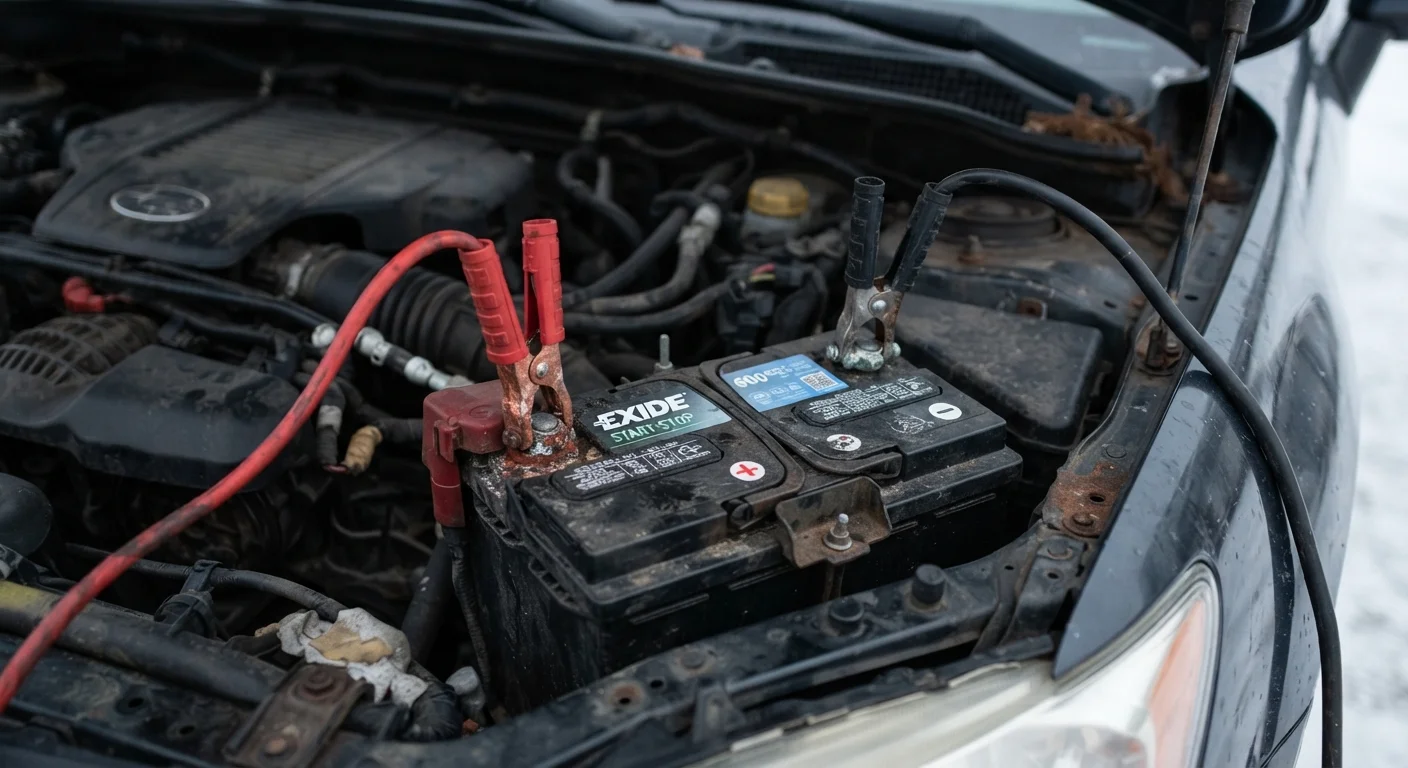
Why Battery Myths Keep Stranding Drivers
A dead battery is one of the most common - and most preventable - roadside emergencies American drivers face. Yet a surprising number of motorists operate on outdated or simply incorrect assumptions about how their car's 12-volt lead-acid battery actually works. These myths don't just create false confidence; they lead to real-world consequences like missed warning signs, improper maintenance, and batteries that fail long before they should.
Understanding your battery isn't reserved for mechanics. A basic grasp of how charging, load, and temperature interact can save you from a stranded vehicle, an unexpected repair bill, or a dangerous situation in an unfamiliar location. Below, we work through the most persistent misconceptions - and what the evidence actually shows.
If you're also curious how seasonal conditions affect other vehicle systems, see our guide to winter's impact on your car for a fuller picture.
Myth
Letting your car idle for a few minutes will recharge a dead or weak battery.
Fact
Idling produces very little charging current - nowhere near enough to meaningfully restore a depleted battery.
Your battery is recharged by the alternator, which generates electricity when the engine is running. However, at idle speed the alternator operates at relatively low output. If your battery is significantly discharged, a short idle does almost nothing to restore it. Recovering a deeply discharged battery requires sustained driving at highway speeds - typically 30 minutes or more - or using a dedicated battery charger. Relying on idling after a jump-start is a frequent reason drivers get stranded a second time the same day.
Myth
A new or newer car will never have battery problems.
Fact
Vehicle age has little bearing on battery reliability; the battery itself has its own independent lifespan of three to five years.
Modern vehicles actually place more electrical demand on a battery than older models, due to infotainment systems, advanced driver-assistance features, and numerous control modules that draw power even when the ignition is off. A brand-new car can leave the dealership with a battery that's been sitting for months. The battery's condition depends on its age, usage patterns, and exposure to temperature extremes - not the age of the car it's installed in.
Myth
Cold weather kills batteries suddenly and without warning.
Fact
Cold temperatures expose weaknesses that have been developing for months - the failure rarely comes out of nowhere.
A lead-acid battery loses a significant portion of its cranking power in freezing temperatures. A battery that's at 80% of its original capacity in warm weather may simply not have enough power to start an engine on a cold morning - which feels sudden but isn't. The underlying degradation happened over time. Winter is particularly hard on vehicle batteries because low temperatures slow the chemical reactions inside the battery while simultaneously increasing the engine's starting load. Testing your battery before winter is one of the most cost-effective maintenance steps you can take.
Myth
Disconnecting your battery overnight will preserve it and prevent drain.
Fact
Disconnecting is rarely necessary and can reset important vehicle system data, causing more problems than it solves.
Most modern vehicles have a small "parasitic draw" - a normal, low-level current consumed by clocks, security systems, and memory modules. This is by design and is not harmful unless a battery sits unused for many weeks. Routinely disconnecting a battery to combat this can erase settings stored in the engine control unit, transmission module, and infotainment system, requiring a relearn period. If you have an abnormal parasitic drain, the right fix is diagnosing the cause - not disconnecting nightly.
Myth
Jumping a dead battery is always safe and never damages the vehicle.
Fact
Incorrect jump-starting procedures can damage sensitive electronics, blow fuses, or, in rare cases, cause battery acid to combust.
Connecting jumper cables in the wrong order or to the wrong terminals can send a voltage spike through a vehicle's electrical system. Modern cars contain numerous microprocessors that are vulnerable to such surges. Some manufacturers specifically prohibit certain jump-starting methods and require a different power connection point. Always follow your owner's manual guidance. If you jump-start frequently, it's a sign your battery or charging system needs professional attention - not that jumping is a sustainable solution.
Using Your Battery Safely and Smartly
Correcting these myths is only part of the picture. The other part is building simple habits that extend battery life and catch problems early.
3-5 years
Typical car battery lifespan
The Car Care Council and most automotive engineers cite three to five years as the standard service life for a 12-volt lead-acid battery under normal conditions.
~35%
Capacity lost at 32°F (0°C)
Battery Council International data indicates a fully charged lead-acid battery can lose roughly a third of its cranking capacity at freezing temperatures.
Watch for the real warning signs. A slow engine crank on startup, dimming headlights at idle, or an illuminated battery warning light on your dashboard are all signals worth taking seriously - not ignoring until the car won't start. Most auto parts stores will test your battery for free, giving you a clear picture of its remaining capacity before it fails completely.
Don't Ignore the Battery Warning Light
If your battery or charging system warning light illuminates while driving, it indicates the alternator may not be charging the battery correctly. Continuing to drive can result in complete electrical failure within minutes to hours. Pull over safely as soon as possible and have the vehicle inspected by a qualified mechanic before driving further.
Jump-starting is sometimes unavoidable, but technique matters. Always connect cables in the correct order (positive to positive, then negative to an unpainted metal ground on the dead vehicle - not directly to the dead battery's negative terminal), and consult your owner's manual, since some modern vehicles with sensitive electronics require specific procedures. If you're uncertain, calling a roadside assistance service is the safer choice.
Just as many technology myths persist around devices - see common gadget myths that cost people money for a parallel look - automotive myths thrive because they feel intuitive. The fix is straightforward information applied consistently.