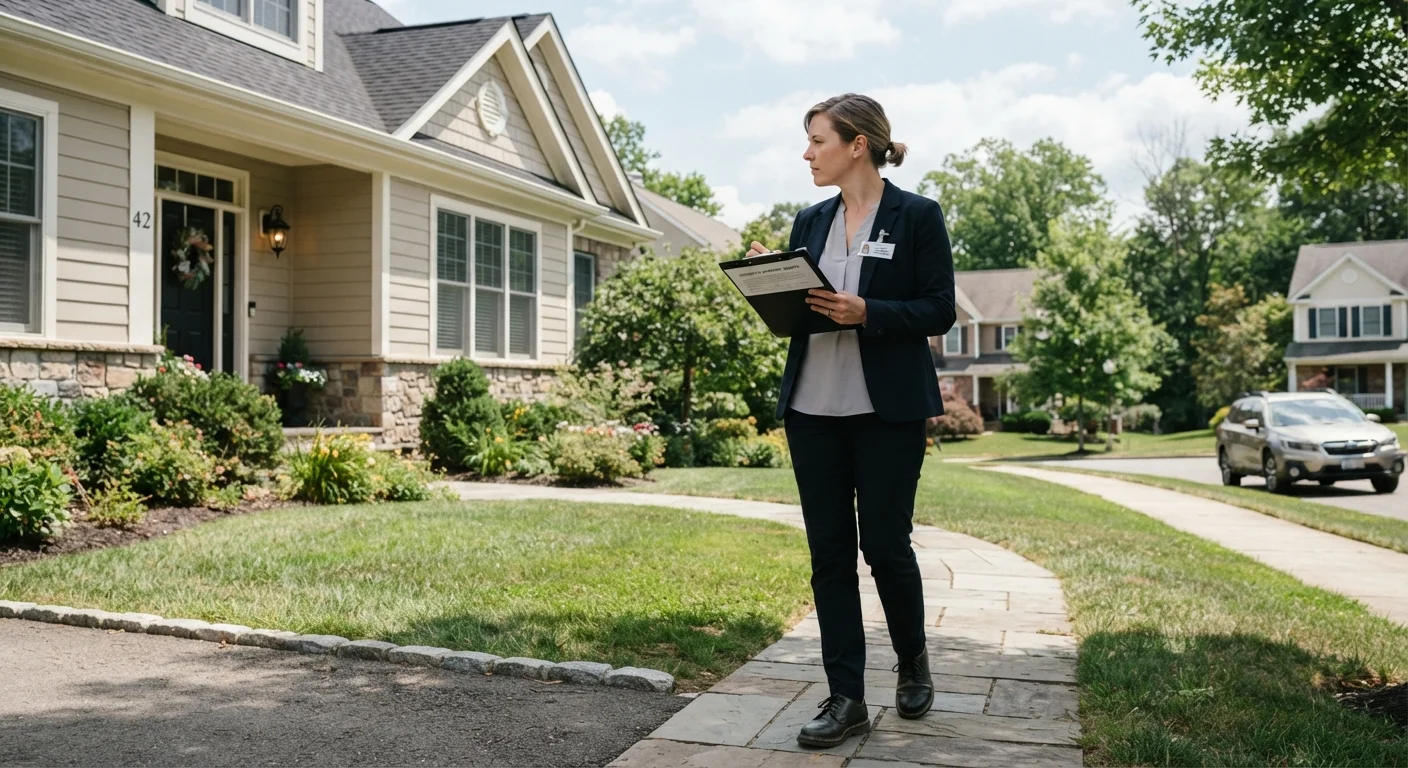
What Causes a Home Appraisal to Come In Low
A home appraisal is an independent professional estimate of a property's market value, ordered by your lender before approving a mortgage. When that number falls below your agreed purchase price, it creates an immediate problem: lenders will only loan against the lower figure.
Several factors commonly drive appraisals below contract price. Rapidly rising prices can outpace the comparable sales — called "comps" — that appraisers are required to rely on. If recent neighborhood sales don't support the price you've agreed to pay, the appraiser can't simply take your contract at face value. Other factors include a limited pool of local comparables, a property with unusual features that are hard to compare, or deferred maintenance the appraiser is required to flag. Market conditions also shape appraisals in ways that aren't always intuitive — understanding that relationship helps buyers set realistic expectations.
Your Loan Is Tied to Appraised Value
Lenders base mortgage amounts on the lower of the purchase price or appraised value. If a home appraises below the agreed price, you will need to cover the gap yourself, renegotiate, or walk away. Understanding this before you close can prevent a serious financial shock.
Common Buyer Mistakes — and How to Avoid Them
A low appraisal often catches buyers off guard, but many of the contributing factors are avoidable with preparation and attention to detail. The mistakes below reflect patterns seen frequently in real estate transactions — understanding them before you're in the situation is far more useful than reacting after the fact.
Assuming the agreed purchase price will always match the appraised value.
Why it happens: Buyers focus on winning the negotiation and often don't account for the independent appraisal that follows. In heated markets, offer prices can outpace what comparables support.
Ignoring unpermitted additions or renovations during due diligence.
Why it happens: Buyers and even sellers sometimes don't realize that improvements done without permits can't be included in the appraised square footage or value.
Accepting a low appraisal result without reviewing it for errors.
Why it happens: Buyers assume the appraiser's word is final. Appraisers are human and can make errors — using the wrong comparables, overlooking recent upgrades, or misreporting square footage.
Failing to negotiate a price reduction after a low appraisal.
Why it happens: Buyers fear the deal will fall apart if they push back, so they either walk away or scramble to cover the gap out of pocket — without considering a third option.
Not being financially prepared to cover an appraisal gap if needed.
Why it happens: Many buyers plan their down payment and closing costs carefully but don't reserve funds for an appraisal gap — the difference between the appraised value and the contract price.
Do Not Waive Your Appraisal Contingency Lightly
In competitive markets, some buyers waive the appraisal contingency to make their offer more attractive. This means you agree to proceed even if the home appraises low — at your own financial risk. Review how appraisal contingencies work before making that call. The protection they provide can be significant.
Your Options When the Appraisal Falls Short
If the appraisal comes in low, you generally have four paths forward:
- Negotiate a price reduction. Present the appraisal to the seller and request they lower the price to match. This is often the most straightforward resolution.
- Cover the gap in cash. If you have the funds and want the property, you can pay the difference between the appraised value and the purchase price out of pocket. This is called an "appraisal gap."
- Request a reconsideration of value. If you believe the appraisal contains errors or missed key comparables, your lender can submit a formal challenge on your behalf. This doesn't always succeed, but it is a legitimate step.
- Walk away. If you have an appraisal contingency in place and can't reach agreement with the seller, you may be entitled to exit the contract and recover your earnest money deposit. Always confirm the exact terms of your contract with your agent or attorney.
This article is for informational purposes only and does not constitute legal, financial, or real estate advice. Consult a licensed real estate professional, attorney, or financial adviser for guidance specific to your situation.