Setting Honest Expectations Before You Land
Iceland ranks near the top of bucket lists for good reason — the landscapes are extraordinary, the culture is distinct, and the sheer geological drama of the place is hard to match anywhere on Earth. But a gap often exists between the Iceland of travel photography and the Iceland visitors actually navigate. Closing that gap before you book is what separates a satisfying trip from a frustrating one.
If you've ever wondered why some travelers return raving while others come back deflated, the answer is usually expectations. Underestimating how much destination research matters is one of the most consistent patterns in travel, and Iceland is a destination where that mistake is especially costly.
The myth-busting below draws on the experiences commonly reported by first-time visitors — not to discourage the trip, but to make sure you walk off the plane genuinely ready.
Myth
You can see the Northern Lights almost any clear night in Iceland.
Fact
Aurora sightings require the right combination of solar activity, darkness, and clear skies — none of which are guaranteed.
The Northern Lights depend on three variables aligning simultaneously: sufficient geomagnetic activity (measured by the Kp index), an absence of cloud cover, and genuine darkness. Iceland's summer months — roughly May through August — have near-constant daylight, making aurora sightings impossible. Even in winter, cloud cover is frequent enough that many visitors spend an entire week without a sighting. Checking aurora forecast apps and building flexibility into your schedule gives you the best realistic chance.
Myth
The Golden Circle and South Coast are easy day trips from Reykjavik that leave plenty of time to spare.
Fact
Both routes involve significant driving and, done properly, fill a full day with little room for delays.
The Golden Circle loop covers roughly 190 miles and includes three major sites — Þingvellir National Park, the Geysir geothermal area, and Gullfoss waterfall — each worth meaningful time. The South Coast to Jökulsárlón glacier lagoon is over 250 miles each way from Reykjavik. Factor in weather slowdowns, single-lane bridges, photo stops, and meal breaks, and rushing either route means missing the experience. Splitting them across two days is a smarter call for most visitors.
Myth
Iceland is a budget-friendly destination because it's not a major European city.
Fact
Iceland is consistently among the more expensive countries in Europe, with high costs for food, fuel, and accommodation.
A sit-down dinner in Reykjavik commonly runs $30–$60 per person before drinks. Fuel prices are substantially higher than in the continental U.S. Campsite fees, while more affordable than hotels, still add up across a two-week trip. Travelers who budget as they would for a mid-range European city often find themselves overspending by day three. Building a realistic daily cost estimate before departure — and adding a contingency buffer — is essential preparation.
Myth
Icelandic weather is extreme only in winter — summer visitors get easy, mild conditions.
Fact
Icelandic weather is unpredictable year-round; wind, rain, and temperature swings can occur in any month.
Summers in Iceland are relatively mild by Arctic standards, with average temperatures in Reykjavik ranging from the mid-40s to low 60s Fahrenheit. But wind and rain can appear with little warning regardless of season, and conditions in the Highlands or on exposed coastlines can differ dramatically from the capital. Packing waterproof outer layers, windproof mid-layers, and warm base layers isn't pessimism — it's what experienced Iceland visitors universally recommend. The Icelandic saying that you can experience all four seasons in a single day is earned.
Myth
The most famous spots — like Seljalandsfoss or the Blue Lagoon — are uncrowded and serene in person.
Fact
Iceland's signature attractions draw significant visitor numbers, particularly in summer, and require planning to enjoy well.
Iceland's tourism numbers have grown substantially over the past decade, and the most photographed sites reflect this. Seljalandsfoss waterfall, the Diamond Beach near Jökulsárlón, and the Blue Lagoon (which requires advance booking) all see heavy traffic during peak summer months. Arriving early in the morning — before 8 a.m. at some locations — or visiting during the shoulder seasons of late April or October meaningfully improves the experience. Iceland's lesser-known waterfalls, lava fields, and fjords in the Westfjords region offer similar drama with far fewer visitors.
Planning Smarter: What the Reality Requires
Understanding what Iceland is actually like unlocks better decisions at every stage of planning. Flexible itineraries with buffer days outperform packed schedules. A 4WD rental isn't always necessary on the Ring Road, but it opens up F-roads into the Highlands that most visitors never reach. Layered waterproof clothing is a non-negotiable — not a nice-to-have.
F-Roads Are Not for Standard Rental Cars
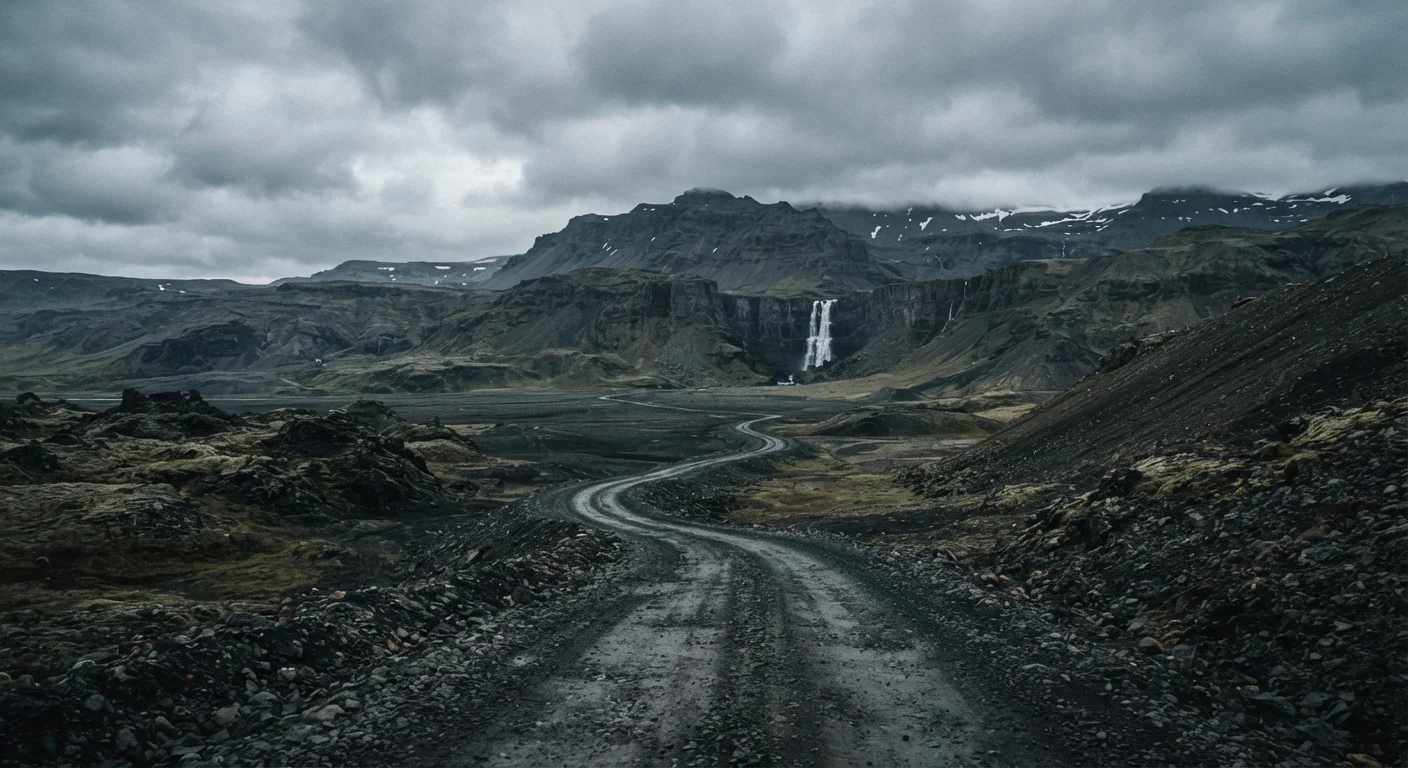
Iceland's interior Highland roads, designated with an 'F' prefix, are only legally and safely accessible in certified 4WD vehicles with high clearance. Driving a standard rental car on F-roads voids most rental insurance agreements and can result in significant fines. Always verify road conditions on the Icelandic Road and Coastal Administration website (road.is) before any Highland journey, and confirm your vehicle's classification with the rental company.
Budget realism also matters. Food, fuel, accommodation, and entry fees to some sites add up quickly. Iceland is not a destination where you can comfortably wing it financially. Budget travel fundamentals still apply — but the baseline costs are simply higher here than in most comparable destinations.
For first-time independent travelers, the logistics of Iceland reward methodical planning. A structured approach to planning from scratch helps ensure nothing critical falls through the cracks — especially for a destination where road closures, weather changes, and limited fuel stops can cascade quickly if you haven't planned ahead. Before committing money to flights or accommodation, it's worth running through the key questions every traveler should answer before booking.
~190 miles
Length of the Golden Circle loop
The full Golden Circle route, including all three primary stops, covers roughly 190 miles from Reykjavik and back.
Top 5
Iceland's global cost-of-living rank for travelers
Iceland consistently ranks among the five most expensive countries for tourists according to international travel cost indices.