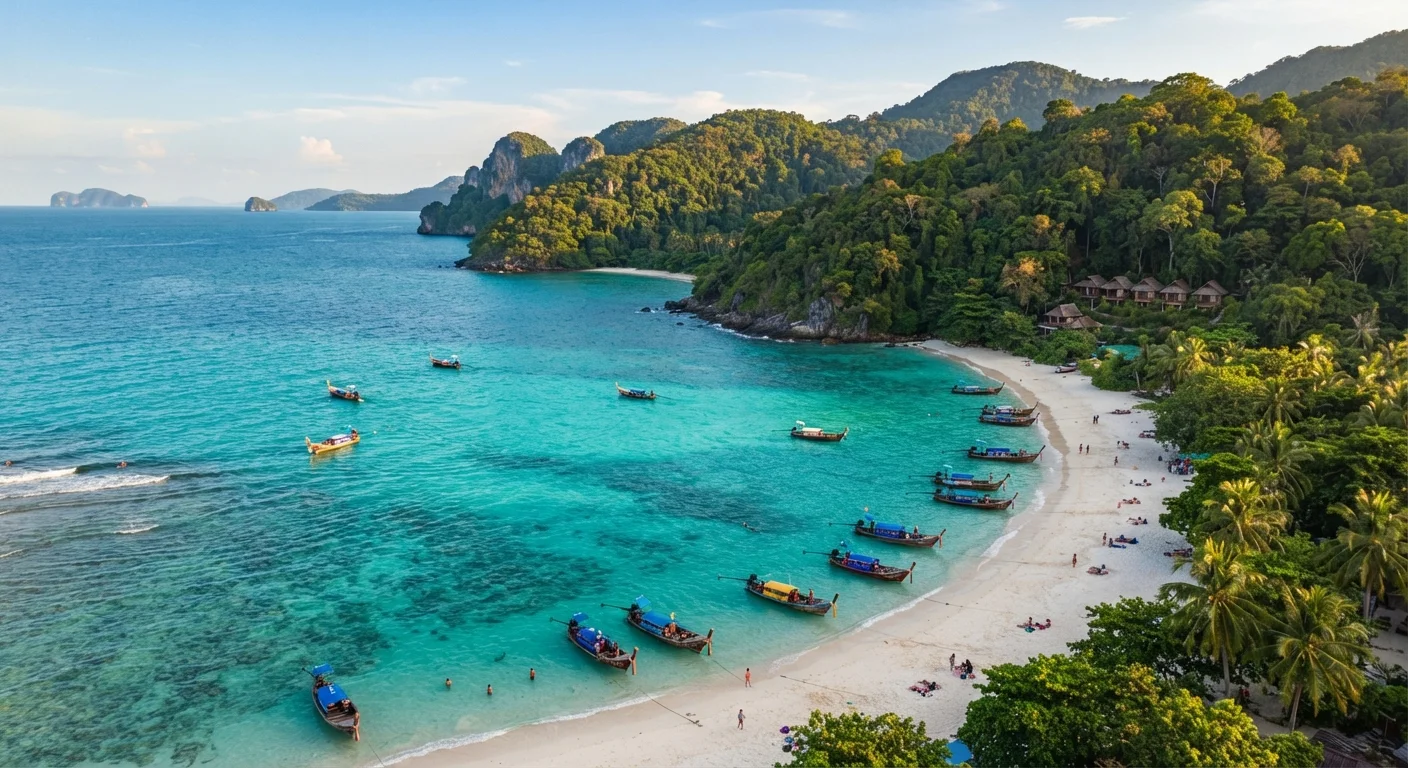
Why Island Choice Actually Matters
Thailand's islands are often lumped together in travel marketing as interchangeable paradise destinations. They're not. Each major island has a distinct character — shaped by its geography, the infrastructure that's grown around it, and the type of visitor it tends to attract. Showing up to Koh Tao expecting the polished hotel scene of Koh Samui, or hitting Samui hoping for the quiet of Koh Lanta, leads to the kind of disappointed traveler reviews that clog travel forums.
This comparison draws on the kind of realistic, experience-based detail that separates useful travel planning from Instagram-fueled expectations. For more on that gap, see what travelers actually find at Southeast Asia's most photographed spots.
| Koh Samui | Koh Lanta | Koh Tao | |
|---|---|---|---|
| Vibe | Busy, resort-town energy | Relaxed, community feel | Young, dive-focused |
| Best for | Comfort-seekers, families | Couples, slow travelers | Divers, backpackers |
| Infrastructure | Full resort amenities, airport | Good mid-range options | Basic, budget-oriented |
| Crowd level | High in peak season | Moderate | Moderate to high at Sairee |
| Underwater activities | Limited from shore | Good snorkeling day trips | World-class diving & snorkeling |
| Relative cost | Higher | Mid-range | Lower to mid-range |
| Peak season | Dec–Feb | Nov–Apr | Dec–Apr |
Koh Samui: The All-Rounder With a Busy Side
Koh Samui is Thailand's second-largest island and the most developed of the three. Chaweng Beach is its commercial heart — lined with international restaurants, beach clubs, rooftop bars, and a stretch of nightlife that goes late. The island has an international airport, which is a genuine convenience, though flights carry a premium over flying into Surat Thani and taking the ferry.
The tradeoff is crowds and cost. Samui runs noticeably pricier than its neighbors, and popular beaches during peak season (December through February) can feel genuinely overrun. Budget travelers will find options, but they'll be competing for them. Families and couples who want reliable WiFi, solid medical facilities, and a wide dining range will feel at home here. Those wanting to "get away from it all" probably won't.
Samui's Quieter Beaches Are Worth Finding
If you're based in Koh Samui but want to escape the Chaweng crowd, the island's north and west coasts — including Mae Nam and Bang Po — offer significantly calmer shorelines. Renting a scooter or hiring a driver for a day gives you access to a noticeably different side of the island. Always wear a helmet and confirm you hold an appropriate license for riding motorized vehicles in Thailand.
Koh Lanta: The Relaxed Middle Ground
Koh Lanta sits in the Andaman Sea rather than the Gulf of Thailand, which means its peak season aligns differently — November through April is prime time, while May onward brings monsoon conditions that close many businesses entirely. That seasonality has kept mass tourism somewhat in check, giving the island a noticeably quieter, more community-rooted atmosphere.
Long Beach and Klong Dao are the most accessible stretches, with a good mix of guesthouses, mid-range resorts, and beachfront restaurants. The island's southern national park offers hiking and unspoiled coastline. Snorkeling day trips to the surrounding Mu Ko Lanta Marine National Park are a consistent draw. Koh Lanta tends to attract digital nomads, couples looking for a slower pace, and repeat Thailand visitors who've already done the busier stops.
Koh Tao: Purpose-Built for Underwater Enthusiasts
Koh Tao has earned a global reputation as one of the most accessible and affordable places in the world to earn an open-water diving certification. The concentration of dive schools, instructors, and organized dive sites around the island is genuinely impressive for its size. Snorkeling from the beach is also excellent around Shark Bay and Hin Wong Bay.
Above water, Koh Tao is small — you can circle it by motorbike in under an hour — and the social scene skews young and budget-conscious. Sairee Beach is the lively main strip, busy with dive operators, beach bars, and budget guesthouses. If your goal isn't diving or snorkeling, the island's appeal narrows considerably. Getting here requires a ferry from the mainland or from nearby Koh Phangan, so logistics take slightly more planning.
~100,000
Dive certifications issued annually at Koh Tao
Koh Tao is widely cited in the dive industry as one of the highest-volume PADI certification locations globally.
~80 km²
Total land area of Koh Samui
Koh Samui's relatively large size supports a full range of resort zones, towns, and quieter inland areas.
Planning the Logistics: What to Know Before You Go
All three islands are accessible via ferry networks from the Gulf Coast (for Samui and Tao) or Krabi and Phuket (for Lanta). Combining islands in a single trip is doable but requires checking current ferry schedules, which shift seasonally — always verify routes and times with official ferry operators or your accommodation before booking. Prices and availability are not guaranteed in advance.
Visa requirements for Thailand depend on your nationality and intended length of stay. Always confirm current entry rules with the Thai Embassy or official Thai government immigration resources before traveling — do not rely on third-party sources for this information.
For a broader perspective on how island-hopping compares to more structured travel formats, our breakdown of independent island-hopping versus cruising explores the tradeoffs of flexibility, cost, and depth that apply equally well to Southeast Asia planning.
This article is for general informational purposes only. Travel conditions, entry requirements, ferry schedules, and local regulations can change. Always verify current details with official government and provider sources before traveling.