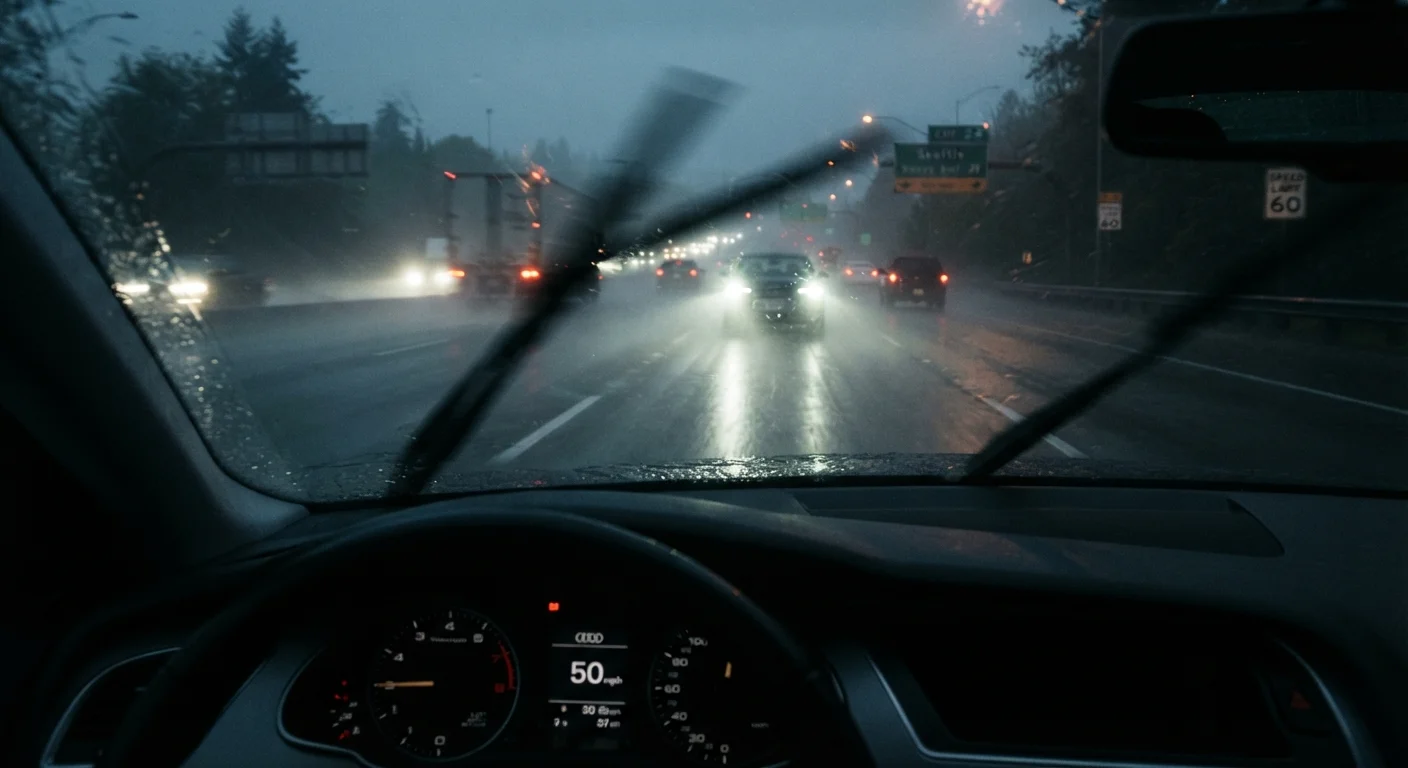
Why Weather Conditions Demand a Different Mindset
Most drivers adjust naturally when conditions turn bad - they slow down a little, maybe grip the wheel tighter. But instinct alone isn't enough. Rain, fog, and snow each degrade your driving environment in distinct ways, and a generic "be careful" response leaves critical gaps.
Visibility isn't just about how far you can see ahead - it affects how quickly you can identify hazards, how much time you have to react, and how other drivers perceive you. When visibility drops, your margin for error shrinks. The practices that work on a clear day must be actively recalibrated for conditions.
This is the foundation of defensive driving: anticipating problems before they develop rather than reacting to them once they're unavoidable.
Condition-Specific Techniques That Make the Real Difference
Beyond slowing down, each weather type requires targeted adjustments. Here's what experienced drivers do differently in each scenario - and why it matters.
Rain
Wet pavement can reduce tire friction significantly, especially in the first few minutes of rainfall when oils rise to the surface. Keep your headlights on (required by law in most U.S. states during rain), increase your following distance to at least four seconds, and avoid using cruise control - it can cause your vehicle to accelerate if a wheel loses traction.
Fog
High beams in fog create glare by reflecting light off water droplets. Use low beams or fog lights if your vehicle is equipped. Slow to a speed at which you can stop within your visible range. Pull off the road entirely if visibility becomes near-zero - and turn off your lights if parked to avoid other drivers steering toward them.
Snow and Ice
Snow compresses into ice under tire pressure and braking adds almost no traction on glare ice. Double or triple your following distance. Brake earlier and more gently. If you begin to skid, steer toward where you want to go rather than overcorrecting.
Winter also stresses vehicle systems. Our guide on cold weather and your car covers what low temperatures do to your battery, tires, and fluids.
Don't Rely on Hazard Lights While Moving
A common impulse in heavy rain or fog is to switch on hazard lights while driving. However, many U.S. states discourage or prohibit this practice because flashing lights can obscure your turn signals and confuse other drivers about your intentions. Check your state's specific rules, but as a general principle, hazard lights are intended for stopped or disabled vehicles.
Vehicle Readiness Is Part of the Strategy
Driving technique can only compensate so much for an unprepared vehicle. Before winter weather or rain seasons hit, verify your setup is working as intended.
Worn wiper blades smear rain rather than clear it. Tires below the recommended tread depth lose significant grip on wet or snowy roads. Many states require that headlights function correctly during precipitation - and your defrost system's ability to keep windows clear directly affects visibility.
For a broader look at keeping your vehicle road-ready year-round, visit our car maintenance hub. Proper preparation is what allows your in-the-moment driving adjustments to actually work.
AWD and 4WD Don't Prevent Skids
All-wheel drive and four-wheel drive systems improve a vehicle's ability to accelerate on slippery surfaces - but they do not improve braking or cornering traction. Many drivers with AWD vehicles overestimate their control in snow and ice. Braking and handling physics apply equally regardless of drivetrain configuration.
This article is intended for general informational purposes. Always observe posted speed limits and follow applicable local traffic laws. If you're uncertain whether your vehicle is ready for severe weather, consult a qualified mechanic.