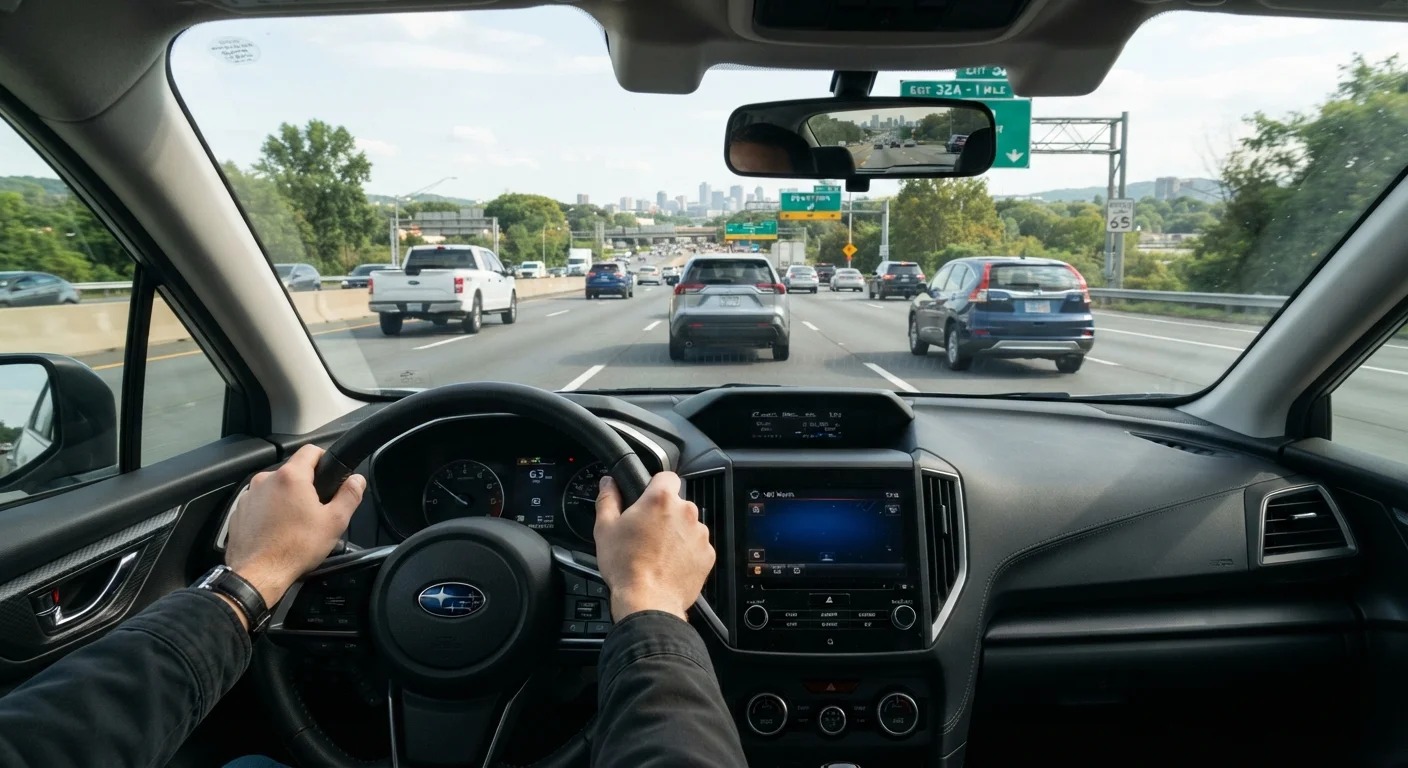
The Core Idea: Expecting the Unexpected
At its heart, defensive driving rests on a single operating assumption: other people on the road will make mistakes. A driver may run a red light, drift out of their lane, or stop abruptly without warning. Defensive driving means positioning yourself - physically and mentally - so that when that happens, you have time and space to respond.
This is fundamentally different from simply obeying traffic laws. Following the rules is necessary but not sufficient. A driver who has the legal right of way at an intersection but doesn't scan cross-traffic before entering can still be struck by a vehicle that ignores a stop sign. Defensive driving means checking even when you technically don't have to.
The National Safety Council frames defensive driving around three key principles: visibility (seeing and being seen), space management (keeping room around your vehicle), and communication (making your intentions clear to others). These aren't advanced techniques - they're disciplined habits that any driver can develop.
“The best drivers are those who assume everyone else on the road is about to make a mistake - and have already decided what they'll do about it.”
— National Safety Council, Nonprofit organization focused on workplace and roadway safety education
Why Cautious Driving Isn't the Same Thing
Many drivers conflate defensive driving with cautious driving - being hesitant, slow, or overly deferential in traffic. In practice, excessive caution can create its own hazards. A driver who brakes unexpectedly at a green light, refuses to merge at highway speed, or stops mid-intersection to let others pass disrupts traffic flow in ways that can trigger rear-end collisions or confusion.
Defensive driving is confident, not timid. It involves maintaining predictable, consistent behavior so other road users can anticipate what you'll do. Sudden, unpredictable moves - even well-intentioned ones - are exactly what defensive drivers work to avoid.
For example, on a highway on-ramp, the defensive approach is to accelerate to match traffic speed and merge smoothly at an appropriate gap - not to slow down at the merge point and hope someone lets you in. See our guide for new highway drivers for how this principle plays out at freeway speeds.
Predictability Protects Everyone
One of the most underrated defensive habits is being easy to read. Use your turn signals early, maintain consistent speeds, and avoid sudden lane changes. When other drivers can accurately predict your next move, the whole traffic system becomes safer - not just your own lane.
Practical Techniques That Define Defensive Driving
Defensive driving translates into specific, repeatable behaviors behind the wheel:
- Scan far ahead. Look 12-15 seconds down the road - not just the car directly in front of you. This gives you time to identify brake lights, merging vehicles, or pedestrians well before they become urgent problems.
- Maintain following distance. The three-second rule is a baseline: pick a fixed point, and ensure at least three seconds pass between when the car ahead reaches it and when you do. In rain, fog, or heavy traffic, extend that gap. Our article on following distance and why it matters explains how this space translates directly into reaction time.
- Manage your position in traffic. Avoid lingering in other drivers' blind spots. On multi-lane roads, position your vehicle where you have the most visibility and the most escape routes.
- Anticipate rather than react. Watch for behavioral cues - a car drifting toward a lane line, brake lights two cars ahead, a pedestrian stepping toward the curb - and begin adjusting before the situation becomes critical.
~94%
Crashes attributed to human error
The National Highway Traffic Safety Administration (NHTSA) estimates that human choice or error is a critical factor in the vast majority of motor vehicle crashes in the U.S.
3 seconds
Minimum recommended following distance
Safety organizations including the NSC recommend the three-second rule as a baseline following distance under normal road and weather conditions.
These habits apply in all conditions. Driving in rain, fog, or snow demands the same principles - just with wider margins, because stopping distances increase and visibility shrinks.
The Mindset That Ties It Together
Defensive driving is ultimately a mindset more than a checklist. It means accepting that your own attention and positioning - not other drivers' compliance - is your primary protection. This stands in direct contrast to road rage and aggressive driving, which treats other drivers' mistakes as personal affronts rather than predictable hazards to manage calmly.
Drivers who adopt a defensive mindset tend to experience lower stress on the road, not higher - because they've already mentally prepared for imperfect conditions. They're not surprised when someone cuts them off; they've already left room for it. That preparation is what separates a defensive driver from one who merely hopes for the best.
Whether you're navigating dense city traffic or a quiet rural highway, the same principles apply: stay visible, stay spaced, stay alert - and assume that the next unexpected thing is only seconds away.
Defensive Driving Courses Are Widely Available
Formal defensive driving courses are offered online and in person through organizations such as the National Safety Council, AAA, and various state DMVs. Course requirements and recognition vary by state. Completing a certified course may also satisfy certain court requirements for traffic violations in some jurisdictions - check your state's rules for details.