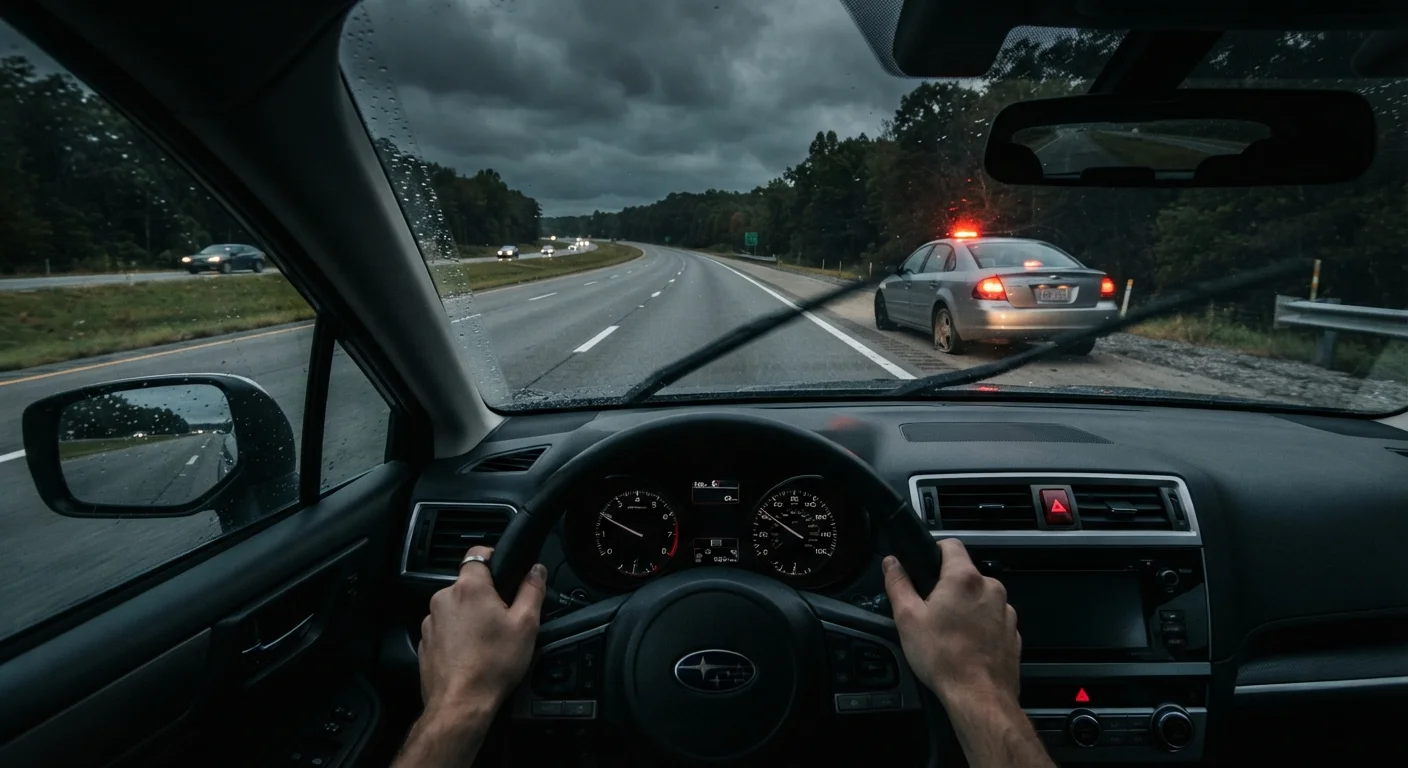
Why Blowouts Demand a Practiced Response
A high-speed tire blowout is one of the most disorienting events a driver can experience. The combination of sudden noise, vehicle pull, and adrenaline surge creates ideal conditions for panic - and panic-driven reactions are exactly what turns a manageable situation into a crash. Research into vehicle dynamics consistently shows that the instinctive response most drivers have - lift off the gas and brake hard - is precisely the wrong move.
Understanding why the correct steps work makes them easier to execute under pressure. When a tire loses pressure rapidly, the affected corner of the car drops and creates massive drag on one side. Hard braking amplifies this imbalance, transferring weight forward and increasing the risk of a spin or rollover. Gradual deceleration, by contrast, keeps weight distribution more even and preserves steering effectiveness.
Blowouts are also more common than many drivers assume. Underinflation - the leading cause - is often invisible until it's too late, particularly in hot weather when heat accelerates tire stress. Road hazards, aged rubber, and overloading a vehicle beyond its rated capacity are other frequent contributors. The right preparation is twofold: knowing how to respond when it happens, and reducing the likelihood through routine maintenance.
Practice the Response Before You Need It
Mental rehearsal is a proven technique used in driver training programs. Walk through the blowout sequence in your mind periodically - especially before long highway trips. Familiarity with the correct steps reduces panic-driven reactions when it happens in real life.
Adverse driving conditions amplify blowout risk, particularly when visibility or road surface is compromised. The same calm, deliberate approach that governs blowout response applies to other emergencies - see our guidance on driving in reduced visibility for related situational awareness principles.
What You Need Before You Hit the Road
Preparation for a blowout happens long before one occurs. Checking your tires regularly - pressure, tread depth, and overall condition - is the most effective form of blowout prevention available to any driver. The when tire tread isn't good enough article breaks down how to read wear patterns that signal a tire approaching the end of its safe service life.
Beyond maintenance, having the right equipment in your vehicle matters. A properly inflated spare (check it when you check your other tires), a functioning jack, and reflective warning devices are non-negotiables for highway travel. Knowing where these items are stored - without having to search in a stressful roadside moment - is equally important.
What you will need
Finally, make sure every driver in your household understands the basic blowout response. Passenger awareness can also help - if someone else in the car reacts by grabbing the wheel or shouting conflicting instructions, it compounds an already difficult situation.
Reflective warning triangles or road flares
Alert approaching traffic that your vehicle is disabled on or near the roadway.
Spare tire, jack, and lug wrench
Required to replace the blown tire and get the vehicle mobile again.
Tire pressure gauge
Used during routine checks to catch underinflation before it leads to a blowout.
Roadside assistance membership or app
Enables you to call for professional help if you cannot safely change the tire yourself.
Step-by-Step: Managing a Blowout at Highway Speed
Grip the wheel and steer straight
The instant you feel or hear the blowout - a loud bang, sudden pull to one side, or violent shudder - your hands must take firm, two-handed control of the steering wheel. A front-tire blowout will yank the wheel sharply toward the flat; a rear-tire failure creates a fishtailing sensation. In both cases, resist the pull. Keep your eyes focused far down the road and steer in the direction you want to travel, not where the car is pulling.
Apply gentle throttle briefly, then ease off
This step surprises most drivers: applying a brief, gentle increase in throttle - just enough to stabilize the vehicle's forward momentum - helps counteract the sudden drag from the deflated tire. You are not trying to accelerate; you are preventing an abrupt deceleration that can destabilize the car. Once the vehicle is tracking straight, ease off the accelerator gradually and allow engine drag to begin slowing you naturally.
Activate your hazard lights
As soon as directional control is stable and you have both hands settled on the wheel, activate your hazard lights. Most vehicles have the hazard button centrally located on the dash. This signals to drivers behind you that something is wrong and they should increase following distance or change lanes. Understanding following distance matters here - poor spacing between vehicles reduces reaction time for everyone around you. See our guide on following distance for context on how quickly situations escalate.
Decelerate gradually and steer toward the shoulder
Once your hazards are on and the vehicle is tracking straight, begin a slow, controlled deceleration. Allow engine braking to do most of the work. When your speed has dropped to roughly 30 mph or below, you may apply light, progressive brake pressure. Simultaneously, signal your intent and steer smoothly toward the nearest shoulder or emergency lane. Avoid crossing multiple lanes if possible - choose the closest safe exit from traffic.
Bring the vehicle to a complete stop and secure it
Bring the car to a full stop on the shoulder. Apply the parking brake and shift into park (automatic) or first gear (manual). Keep hazard lights running. If you have reflective triangles or flares in your emergency kit, deploy them behind the vehicle at appropriate intervals - typically 10, 100, and 200 feet - to warn approaching traffic. Do not place them in active travel lanes.
Assess the damage and decide next steps
Once safely stopped and out of traffic flow, visually inspect the affected tire. Confirm which tire blew and check whether the wheel rim has been damaged by driving on the flat - even briefly. If you have a full-size or temporary spare, a working jack, and a safe working surface, you may be able to change the tire yourself. If conditions are unsafe (rain, darkness, heavy traffic, unfamiliar terrain), call roadside assistance rather than attempt the change. For ongoing tire health awareness, our guide on tire tread and wear covers what to look for during routine inspections.
Never Brake Hard After a Blowout
Slamming the brakes is the most dangerous instinct you can follow during a high-speed blowout. Hard braking after a sudden loss of tire pressure can cause the vehicle to spin or roll. Keep your foot off the brake pedal until you have regained directional control and reduced speed naturally through engine drag and gentle steering.
After the Event: Safety and Next Steps
Once the immediate crisis is resolved, take a moment to collect yourself before making any decisions. Adrenaline affects judgment, and making rushed choices immediately after a high-stress incident - like pulling back into fast-moving traffic before you're ready - creates new risks. Take several minutes to settle before attempting any tire change or re-entering the roadway.
If you do change the tire yourself, treat a temporary spare (often called a "donut") as exactly that - temporary. These smaller spares are typically rated for speeds no greater than 50 mph and distances no greater than 50-70 miles, though you should check your owner's manual for your vehicle's specific limits. Drive directly to a tire shop for a proper replacement.
Document the incident where relevant. If the blowout was caused by a road hazard - a pothole, debris, or construction material - note the location, time, and any witnesses. Some jurisdictions allow drivers to file claims for tire damage caused by hazardous public road conditions, though outcomes vary and you should check with local authorities or a legal professional for guidance specific to your situation.
Do Not Exit the Vehicle on Active Lanes
Once you've reached the shoulder, stay inside the car with seatbelts fastened and hazard lights on if traffic is still passing at speed. Roadside pedestrian fatalities frequently involve drivers who exited too quickly. If possible, move beyond highway guardrails before stepping out.