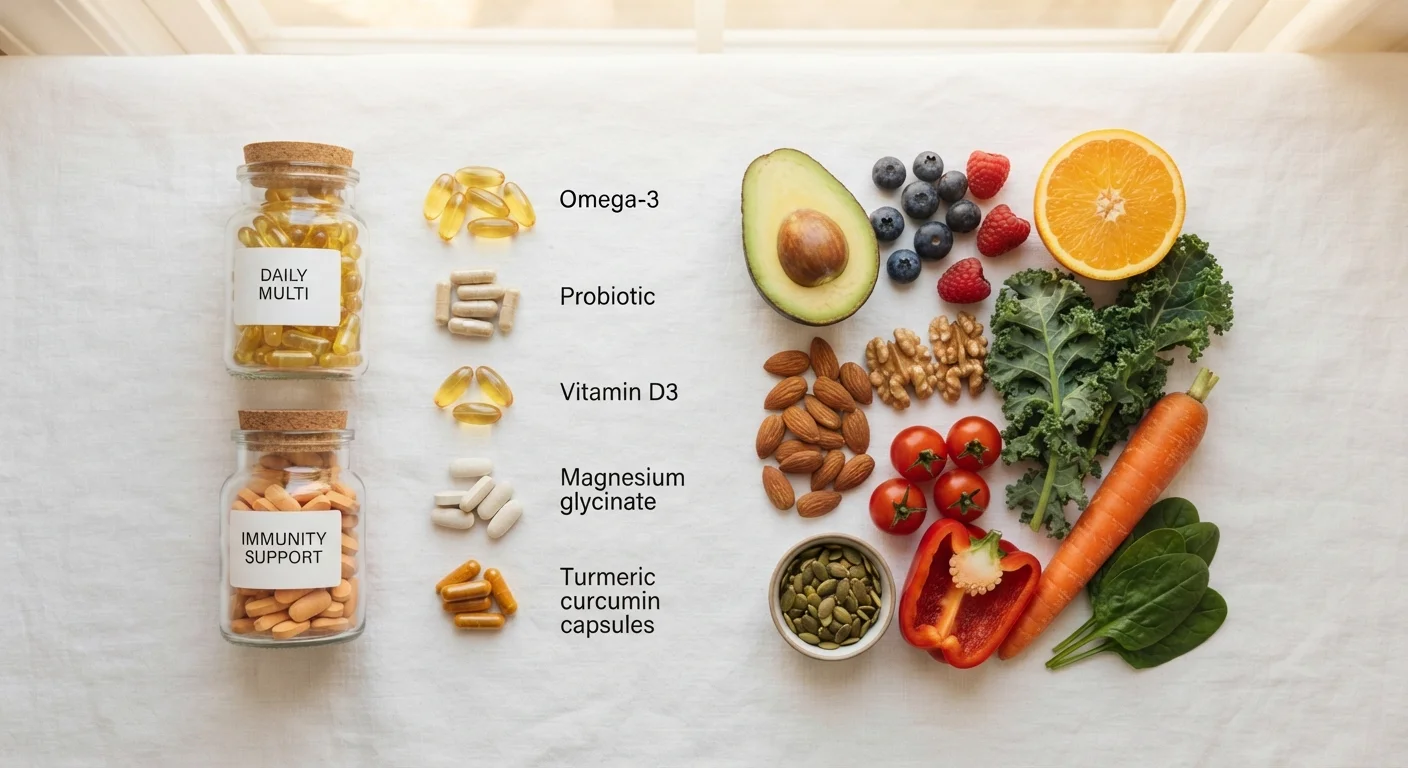
What Dietary Supplements Actually Are
The term dietary supplement covers a wide range of products — vitamins, minerals, herbals, amino acids, enzymes, and more — sold in pill, powder, liquid, or gummy form. In the United States, supplements are regulated by the Food and Drug Administration (FDA) under a distinct framework from prescription drugs. Crucially, manufacturers are generally not required to demonstrate that a product is safe or effective before it reaches store shelves. The FDA can act after the fact if problems emerge, but pre-market approval is not mandatory.
This regulatory reality matters for every decision you make about supplementation. It does not mean supplements are inherently dangerous, but it does mean that quality, labeling accuracy, and clinical evidence vary considerably across products. Third-party testing seals — from organizations such as USP or NSF International — can offer some assurance that a product contains what it claims, though they do not evaluate whether the ingredient actually works.
Understanding this landscape is essential before exploring when supplements help and when they don't. For more context on separating nutrition fact from fiction, see our guide to persistent nutrition myths.
The Case For Supplements
Supplements can play a meaningful, evidence-backed role in specific circumstances. Several nutrient gaps are both common and consequential in the U.S. population.
Corrects clinically identified nutrient deficiencies
Blood tests can reveal genuine shortfalls — in iron, vitamin D, or B12, for example — where supplementation under medical guidance can restore levels and relieve related symptoms.
Supports critical needs during pregnancy
Folic acid supplementation is strongly recommended before conception and in early pregnancy to reduce the risk of neural tube defects, a recommendation with robust clinical backing.
Fills gaps created by restrictive diets
People who exclude entire food groups — such as vegans avoiding all animal products — face predictable gaps in nutrients like B12, iodine, and long-chain omega-3s that targeted supplements can address.
Addresses increased needs in older adults
Aging reduces the body's ability to absorb certain nutrients, including vitamin D and B12, making supplementation more clinically relevant for this population than for younger, healthy adults.
Can support people with malabsorption conditions
Conditions such as celiac disease, Crohn's disease, or post-bariatric surgery may impair nutrient absorption significantly, creating medically established indications for supplementation.
~42%
U.S. adults with vitamin D insufficiency
Research published in Nutrition Research found that approximately 42% of U.S. adults had vitamin D insufficiency, with higher rates among certain demographic groups.
57%
Americans who take at least one supplement
According to the Council for Responsible Nutrition's consumer survey, a consistent majority of Americans report regular supplement use, making it one of the most common health behaviors.
Beyond deficiency, certain life stages create documented needs that diet alone may struggle to meet reliably. Folate (or folic acid) supplementation before and during early pregnancy is among the most well-supported interventions in nutritional medicine, associated with a meaningful reduction in neural tube defects. Vitamin D and calcium become increasingly important for bone health in older adults, particularly those with limited sun exposure. Vegans and strict vegetarians are at genuine risk of vitamin B12 deficiency, since B12 is found almost exclusively in animal-derived foods — a gap that a supplement directly addresses. See our comparison of plant-based and omnivorous eating patterns for more on nutrient considerations by diet type.
The Case Against Routine Supplementation
The evidence for broad-spectrum supplements taken by generally healthy adults eating a varied diet is, at best, mixed — and in some cases points in the wrong direction.
Not required to prove efficacy before sale
Unlike prescription drugs, supplements reach the market without mandatory clinical trials. This means many products lack rigorous evidence that they deliver claimed benefits at the doses used.
Risk of toxicity from high-dose fat-soluble vitamins
Vitamins A, D, E, and K accumulate in body tissue rather than being excreted, and excess intake over time can reach harmful levels — a risk that is essentially absent when nutrients come from food.
Potential for drug interactions
Common supplements including vitamin K, St. John's Wort, and fish oil can interact with medications such as blood thinners, antidepressants, and anticoagulants in clinically significant ways.
Can create a false sense of nutritional security
Relying on a daily multivitamin may lead some people to underestimate the importance of dietary quality, potentially substituting convenient supplementation for genuine dietary improvement.
Whole-food nutrients come with synergistic benefits
Foods deliver vitamins and minerals alongside fiber, phytochemicals, and other bioactive compounds that interact beneficially; these complex interactions are not replicated in isolated supplements.
Product quality and labeling accuracy vary widely
Independent testing has repeatedly found supplements that contain less — or more — of an ingredient than labeled, or that are contaminated with undeclared substances, including prescription compounds.
Whole foods deliver nutrients as part of a complex matrix of fiber, antioxidants, and phytochemicals that interact in ways supplements cannot fully replicate. Large randomized trials have found that some supplements widely assumed to be beneficial — including high-dose antioxidants like beta-carotene — showed no benefit and, in certain populations, potential harm. The foundation of nutritional balance starts at the grocery store, not the supplement aisle.
When to Talk to Your Doctor First
Before starting any new supplement, particularly at doses above standard dietary reference intakes, a conversation with a healthcare provider is strongly recommended. This is especially important if you take prescription medications, are pregnant or breastfeeding, have a chronic health condition, or are considering supplements for a child or older adult. A simple blood panel can identify genuine deficiencies and help avoid unnecessary or potentially harmful supplementation.
Making a Thoughtful Decision
The most sensible approach to supplements begins not with products but with questions: Do I have a documented deficiency? Am I in a life stage with elevated needs? Is my diet consistently missing entire food categories?
If the answer is yes to any of these, a conversation with a qualified healthcare provider — ideally backed by relevant blood work — is the right next step. Self-diagnosing deficiencies and selecting supplements independently carries real risk, both from unnecessary expense and from potential toxicity or drug interactions at higher doses.
For most people, the more impactful investment is in the quality and consistency of everyday eating habits. Resources like our guide to building sustainable eating habits and understanding how even "healthy" foods can crowd out balance offer practical starting points.
This article is for general informational and educational purposes only and does not constitute medical advice. Always consult a qualified healthcare professional before starting, stopping, or changing any supplement or treatment.