Why These Three Are So Easily Mixed Up
Walk into any hardware store and you'll find grout, caulk, and sealant shelved near each other, sometimes marketed for overlapping applications. It's no wonder homeowners reach for the wrong one. But using caulk where grout belongs — or skipping sealant entirely — can lead to cracked tile, water damage, and premature repairs. Each material does a specific job, and understanding the difference saves both time and money.
This guide breaks down what each product actually is, where it belongs, and how to tell them apart in the field.
| Grout composition | Cement- or epoxy-based; rigid when cured |
| Caulk composition | Silicone, latex, or hybrid polymer; flexible |
| Sealant function | Protective coating applied over surfaces, not in joints |
| Grout cure time (before sealing) | Typically 48–72 hours (Always verify with product instructions) |
| Where caulk replaces grout | Corners, edges, transitions, fixture perimeters |
| Tiles that need sealing | Unglazed natural stone, terracotta; not glazed ceramic/porcelain |
Grout: Filling the Space Between Tiles
Grout is a cement- or epoxy-based filler used to fill the joints between tiles. It's rigid once cured, designed to hold shape and resist the minor compression forces that occur between tile edges. Grout is not intended to flex — that's a crucial distinction.
There are two main types:
- Sanded grout — contains fine sand aggregate; used for joints wider than about 1/8 inch. The sand helps prevent shrinkage in wider gaps.
- Unsanded grout — a smooth paste used for joints 1/8 inch or narrower, or on surfaces like polished marble that sanded grout would scratch.
Grout goes between tiles on floors, walls, backsplashes, and shower surrounds. It does not go in corners, along edges where tile meets a tub, or where two surfaces meet at an angle. Those joints need caulk. See our flooring materials overview for context on which tile types pair with which grout formulations.
Sanded grout
A cement-based tile filler containing fine sand aggregate. Used for joints wider than approximately 1/8 inch to reduce shrinkage during curing.
Unsanded grout
A smooth, sand-free grout paste used for narrow tile joints (1/8 inch or less) or on surfaces that would be scratched by sand particles.
Silicone caulk
A flexible, highly water-resistant sealant used to seal joints in wet areas. It does not accept paint but outperforms other caulk types in prolonged moisture exposure.
Grout sealer
A liquid product applied over cured grout lines to protect porous cement grout from moisture absorption, staining, and soap scum buildup.
Penetrating sealant
A sealer that soaks into a porous surface (like natural stone or cement grout) rather than forming a film on top, providing protection without altering surface appearance.
Dynamic joint
A joint between two surfaces that experiences movement — through thermal expansion, structural settling, or vibration. Dynamic joints require flexible caulk, not rigid grout.
Caulk: Sealing Joints That Move
Caulk is a flexible sealant applied along joints and seams where two surfaces meet — especially corners, edges, and transitions where slight movement or expansion is expected. Unlike grout, caulk is designed to flex without cracking, making it the right choice for dynamic joints.
Common caulk types include:
- Silicone caulk — highly water-resistant and durable; ideal for wet areas like tub surrounds, showers, and sinks. It doesn't accept paint, so color-match carefully.
- Latex (acrylic) caulk — paintable and easier to clean up with water; better suited for interior trim, baseboards, and drywall transitions rather than wet zones.
- Siliconized latex — a hybrid offering flexibility plus paintability, often used around windows and doors.
Use caulk where tile meets the tub deck, at inside corners in showers, where countertop meets backsplash, and around fixtures like faucets and toilet bases. If grout is placed in these spots instead, it will eventually crack — those joints move with temperature changes and structural settling. Learn more about what causes failure in our article why caulking fails and how to do it right.
Never Use Grout in a Corner Joint
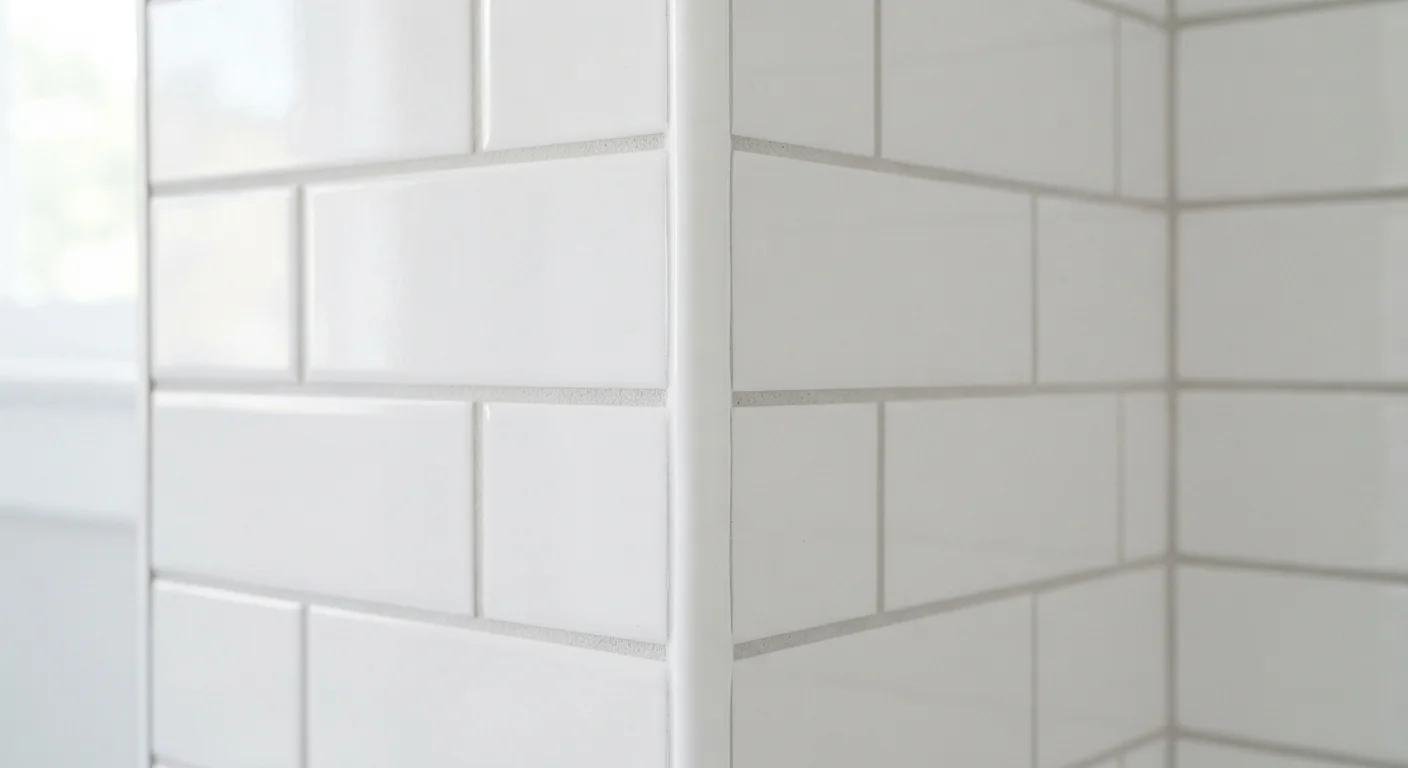
One of the most common tile mistakes is filling inside shower corners with grout. Because two walls meet at an angle and can shift independently, grout in that location will almost always crack within a year or two. Silicone caulk — color-matched to your grout — is the correct material for all inside corners in wet areas. The result looks nearly identical and will last far longer.
Sealant: Protecting Surfaces After the Work Is Done
The word sealant is used two ways in home improvement, which causes some confusion. Sometimes it's used as a synonym for caulk (many tube products are labeled "caulk and sealant"). But in the context of tile and masonry work, sealant more specifically refers to a penetrating or topical product applied over a surface — not in a joint — to protect it from moisture, staining, and wear.
The two most relevant types for everyday homeowners:
- Grout sealer — a liquid applied over cured grout lines to protect the porous cement from absorbing water, soap scum, and stains. Most cement-based grout should be sealed after installation and periodically thereafter.
- Tile sealer — used on porous, unglazed tiles (like natural stone or terracotta) to prevent staining. Glazed ceramic or porcelain typically does not need sealing.
Sealant is a protective layer, not a structural filler. Applying it correctly is the final step after grout has fully cured — usually 48 to 72 hours, though always follow the product's instructions.
48–72 hrs
Typical grout cure time before sealer application
Cement-based grout generally requires at least 48 to 72 hours of cure time before a sealer is applied; always check the specific product's instructions.
1/8"
Joint width threshold between sanded and unsanded grout
Tile industry standards generally recommend sanded grout for joints wider than 1/8 inch and unsanded grout for joints at or below that width.
At a Glance: Choosing the Right Material
When you're standing in front of a project, here's how to make the call quickly:
| Situation | Use This |
|---|---|
| Between tiles on a floor or wall | Grout |
| Inside corner of a shower | Caulk (silicone) |
| Where tile meets a bathtub deck | Caulk (silicone) |
| Around a kitchen sink | Caulk (silicone) |
| Baseboard meeting drywall | Caulk (latex) |
| Over cured grout lines | Grout sealer |
| Over unglazed stone tile | Tile sealer |
These materials complement each other — a well-finished tile installation will use all three at different stages and in different locations. Understanding which belongs where is the foundation of durable, watertight results. For a broader look at finish materials in the home, the guide to paint finish types follows a similar logic of matching material properties to surface conditions.