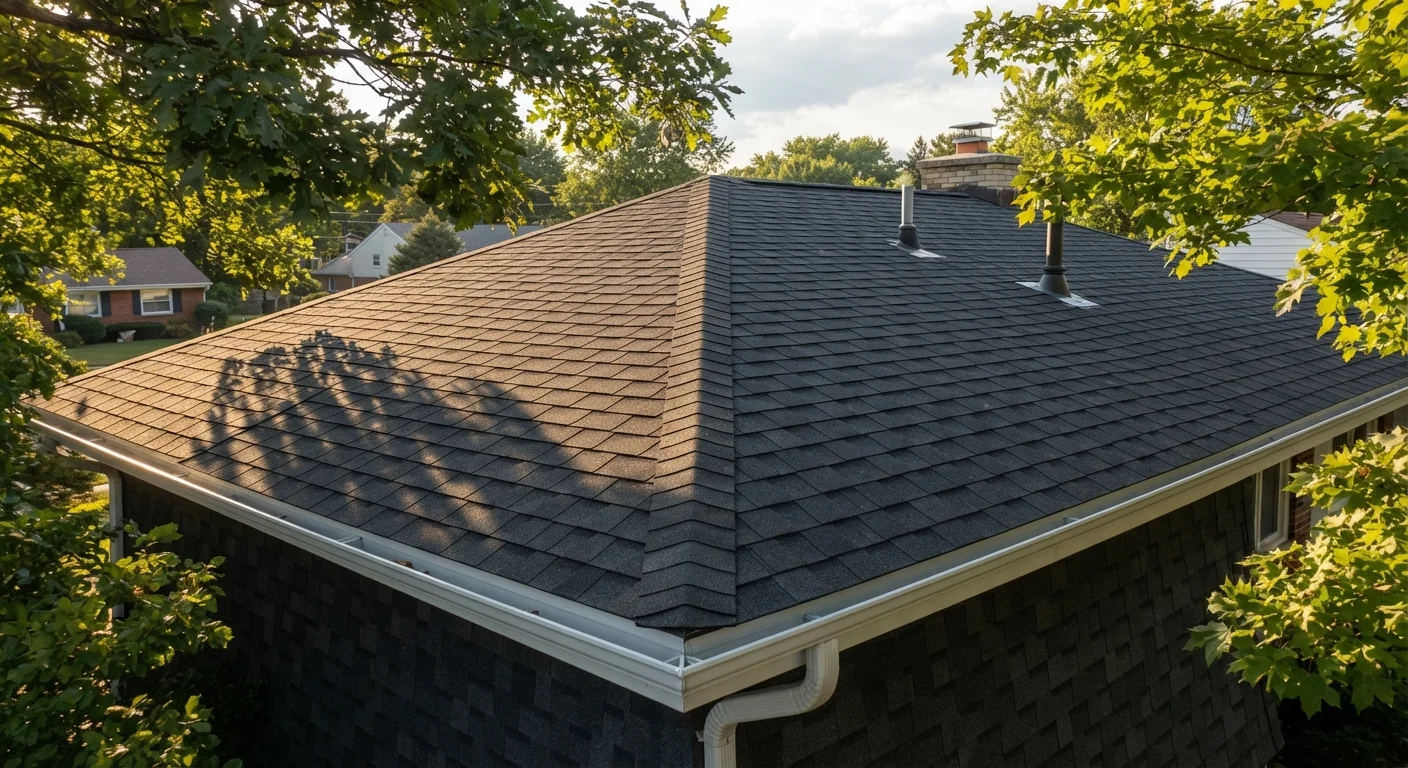
Why Roof Maintenance Matters
Your roof works harder than any other part of your home. It deflects rain, snow, wind, and UV radiation every single day, all while keeping your interior dry and your insulation effective. When small problems go unaddressed, water finds a way in — and once moisture reaches your attic framing, insulation, or ceilings, repair costs multiply quickly.
The good news is that most roof damage follows a predictable pattern. Consistent, low-effort maintenance — inspecting twice a year and after major storms — can catch issues while they're still inexpensive to fix. Think of it as routine rather than reactive: the same mindset that drives oil changes for your car applies here.
For a broader picture of the seasonal upkeep your home needs, see our season-by-season home inspection guide.
40%
Of home insurance claims involve water and freezing damage
According to the Insurance Information Institute, water-related damage — much of it roof-related — is among the most common homeowner insurance claims.
20–30 yrs
Typical lifespan of asphalt shingle roofs
The National Roofing Contractors Association notes that asphalt shingles, the most common U.S. roofing material, generally last 20–30 years depending on climate, ventilation, and maintenance.
2x/year
Recommended roof inspection frequency
Most roofing professionals recommend inspecting your roof in spring and fall, plus after any significant storm event.
How to Safely Inspect Your Roof
A thorough inspection does not require you to climb onto your roof — and for most homeowners, staying off the roof is the safer choice. You can gather a great deal of useful information from the ground with binoculars, from attic access points, and from upper-floor windows.
Ground-Level and Attic Checks
- Walk the perimeter with binoculars and look for lifted, curled, or missing shingles; dark streaks; and sagging sections.
- Check the attic on a sunny day for light penetrating through the decking, and after heavy rain for staining or active drips.
- Examine interior ceilings for water stains, bubbling paint, or soft spots that suggest moisture intrusion from above.
If You Do Access the Roof
If you choose to get on the roof, use a secured, properly rated ladder, wear rubber-soled shoes, never work alone, and avoid wet or icy conditions. Steep pitches — generally above 6:12 (six inches of rise per twelve inches of horizontal run) — should be left to professionals with fall-protection equipment.
Know Your Limits on Roof Access
Falls from roofs are a leading cause of serious home-improvement injuries. If your roof pitch is steep, surfaces are slick, or you're not confident working at height, keep your inspection at ground level and in the attic. There is no maintenance task worth a fall — hire a licensed roofing contractor to conduct an up-close inspection when needed.
Common Signs of Roof Damage
Knowing what to look for turns a walk around your property into a genuinely useful inspection. The following are the most frequently encountered warning signs:
- Granule loss: Asphalt shingles shed small granules as they age. If you see granule accumulation in gutters or downspout splash areas, the shingles' protective coating is wearing thin.
- Curling or cupping shingles: Edges that curl upward (cupping) or centers that buckle upward (clawing) indicate weathering or ventilation problems beneath the shingles.
- Missing or cracked shingles: Even one missing shingle creates an exposed path for water. Wind and impact damage can crack shingles without displacing them entirely.
- Damaged flashing: Metal flashing seals joints around chimneys, vents, skylights, and valleys. Rust, gaps, or lifted sections are a leading cause of leaks.
- Moss or algae growth: Dark streaks are typically algae; thick green growth is moss. Both trap moisture against shingles and accelerate deterioration.
- Sagging deck sections: Any visible dip or soft area suggests the underlying decking or structural supports may be compromised — a situation requiring professional evaluation promptly.
Many of these signs also produce interior symptoms. Our article on reading your home's warning signs explains how to connect interior clues to exterior causes.
After any hail event, check your downspout strainers for an unusual surge of granules — this is one of the fastest ways to gauge whether shingles took a hit before you've even looked at the roof.
Granule loss accelerates after impact events and is easy to miss on the roof surface itself but collects visibly at drainage points.
When assessing flashing, press gently on the edges with a gloved hand — if there's any give or separation from the roofing surface, it needs professional resealing before the next rain.
Flashing failures are a leading cause of interior leaks, and gaps that look minor from a distance can allow significant water intrusion during wind-driven rain.
Routine Maintenance Tasks You Can Do
Several maintenance tasks fall comfortably within the reach of a careful homeowner and make a measurable difference in roof longevity.
Keep Gutters and Downspouts Clear
Clogged gutters allow water to back up under shingles and saturate the fascia board. Clean them at least twice a year — more often if you have overhanging trees. Our gutter maintenance guide walks through the process safely and thoroughly.
Trim Overhanging Branches
Branches that contact or overhang the roof deposit debris, retain moisture, and can cause impact damage in storms. Aim to keep branches at least six feet from the roof surface where possible.
Remove Debris Promptly
Leaves, pine needles, and other organic debris hold moisture and encourage moss growth. A soft-bristle roof rake or low-pressure garden hose — not a pressure washer — can clear most buildup without damaging shingles.
Address Moss and Algae
Zinc or copper strips installed along the ridge can slow biological growth over time. Commercially available roof-cleaning solutions can treat existing growth; always follow manufacturer dilution guidance and rinse thoroughly to protect surrounding plants.
Use a Soft Touch When Cleaning
Pressure washing a shingle roof can strip granules, void warranties, and force water under the shingles — the opposite of what you want. Stick to a low-pressure garden hose or a purpose-built roof rake for debris removal. If biological growth is significant, a diluted cleaning solution applied with a low-pressure sprayer is a safer approach than mechanical force.
When to Call a Licensed Roofing Professional
Some situations go beyond what a homeowner should attempt independently. Contact a licensed roofing contractor when you encounter:
- Active or suspected leaks that you cannot trace to a simple, accessible source
- Damaged or missing flashing around chimneys, skylights, or valleys
- Sagging, soft, or structurally suspect deck areas
- Storm damage involving large areas of missing shingles or impact from falling trees
- A roof that is approaching or beyond its expected service life (typically 20–30 years for asphalt shingles, though this varies by product and climate)
Roofing work involving structural repairs, full re-roofing, or significant penetration work typically requires a permit in most U.S. jurisdictions. Verify local requirements with your municipality before any major work begins, and confirm that any contractor you hire is licensed, insured, and familiar with local building codes.
Permits and Licensed Contractors Are Not Optional
Major roofing work — including full replacement or structural repairs — typically requires a building permit and must be performed by a licensed contractor in most U.S. states and municipalities. Unpermitted work can affect your homeowner's insurance coverage and create complications when you sell. Always check with your local building department before beginning significant repairs.
Tracking Your Roof's History
Documenting what you find — and what gets repaired — is a habit that pays off in multiple ways. A simple log noting inspection dates, observations, and any work performed helps you spot deteriorating patterns over time, schedule follow-up checks, and provide a clear upkeep record to buyers if you sell.
Note the installation date and material type if you know them; that baseline helps you anticipate when major replacement may be approaching. Photograph any damage or repairs with timestamps for your records.
Our guide to keeping a home maintenance log covers a straightforward system for tracking all your home's systems, not just the roof. Pair it with the annual home maintenance checklist to build a complete, year-round routine.
This article is for general informational purposes only. Roofing tasks involving structural components, electrical penetrations, or significant heights should be evaluated and performed by licensed professionals. Always verify local permit requirements before beginning any major roofing project.