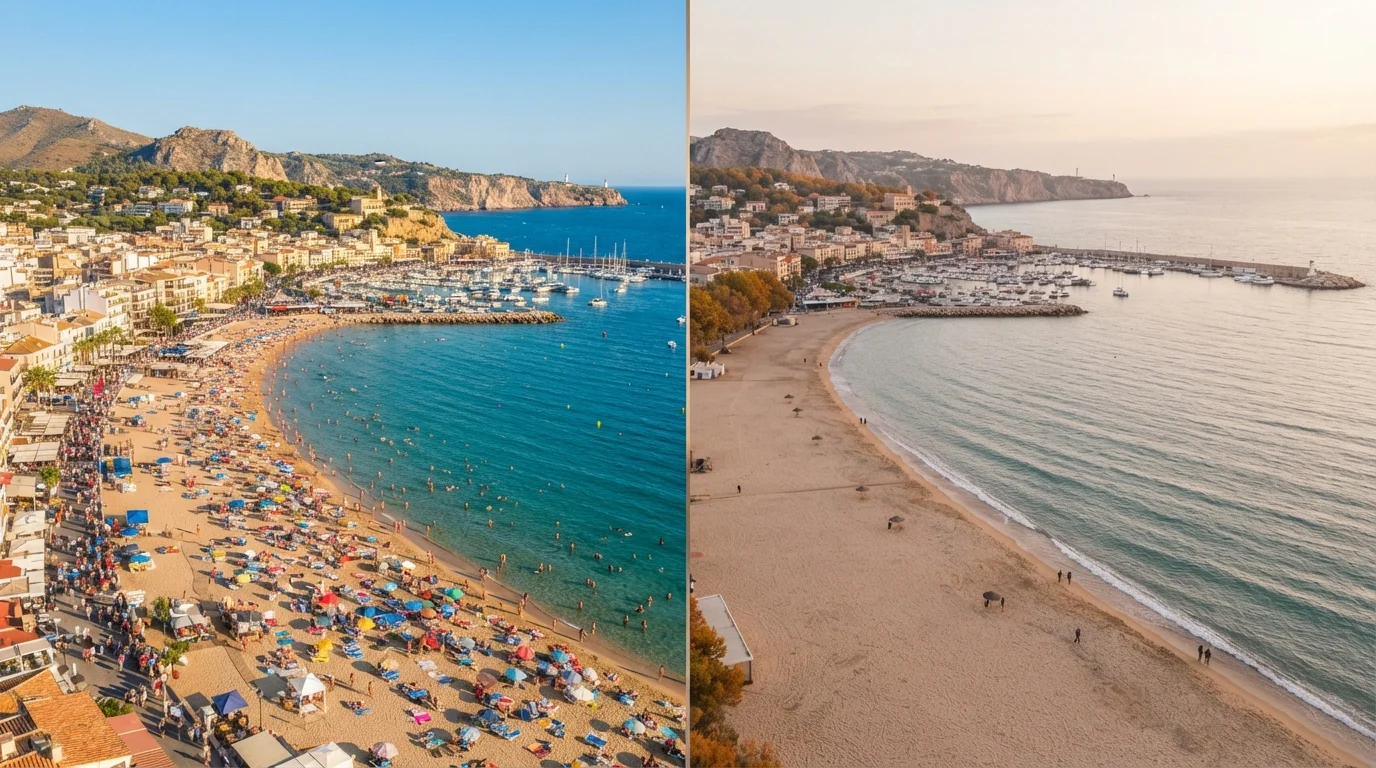
Why Timing Is as Important as Where You Go
Most travelers spend hours choosing a destination and minutes thinking about when to go. That imbalance can be costly — both financially and experientially. The timing of your trip influences what you pay, how crowded attractions are, which services are available, and even the physical experience of being somewhere. Building seasonal awareness into your planning is one of the highest-return habits you can develop as a traveler.
As part of a well-structured trip plan, understanding seasons sits right alongside choosing your destination — not as an afterthought.
3–4×
Price difference between peak and off-peak flights
Industry analysis consistently shows airfare to popular destinations can be three to four times higher during peak travel periods than in the same destination's off-peak windows.
2+ hrs
Average peak-season wait at top US national parks
The National Park Service has reported that entry wait times at the most-visited parks, such as Zion and Yellowstone, regularly exceed two hours during summer peak periods.
30–50%
Typical hotel savings in shoulder vs. peak season
Travel industry reporting frequently cites accommodation savings in the 30–50% range when travelers shift bookings from peak to shoulder-season windows at popular destinations.
The Three Season Types and What They Actually Mean
Peak season is straightforward: it's when a destination draws the highest visitor volume. The weather is usually at its most appealing, school holidays align, or a major event anchors the calendar. Prices for flights and accommodations typically climb, booking windows shrink, and popular sites get genuinely crowded. Think summer in Paris, December in New York, or spring in Japan during cherry blossom season.
Off-peak season flips the equation. Visitor numbers drop, prices ease, and you'll often find it easier to move through a place at your own pace. The trade-off: some tours, restaurants, or facilities may operate on reduced schedules — and in some cases, closure. Weather can also be a real constraint, especially during monsoon or hurricane periods.
Shoulder season sits in the middle, and for many travelers it's the sweet spot. You get reasonable weather, meaningfully fewer crowds, and prices that haven't fully spiked. The challenge is that shoulder timing varies significantly by destination. Understanding what shoulder season actually means for a specific place is worth investing time in before you book.
Research Shoulder Season by Destination, Not by Month
There's no universal shoulder season calendar. October is shoulder season in Southern Europe but peak season in New England for fall foliage. April is shoulder season in the Caribbean but wet season in parts of Southeast Asia. Always look up the specific destination's climate and tourism patterns rather than applying a one-size-fits-all seasonal rule.
Weather vs. Crowds: Two Variables, Not One
It's tempting to conflate good weather with a good experience, but they're distinct factors. A destination can have perfect sunshine and still feel overwhelming if visitor numbers are at their annual peak. Conversely, a rainy shoulder-season week can be genuinely delightful if you have museums, restaurants, and hiking trails mostly to yourself.
The reality at many iconic sites is that peak-season conditions transform the experience in ways photos never show — queues stretch for hours, viewpoints are shoulder-to-shoulder, and accommodation in town is booked solid.
Similarly, America's most-visited national parks illustrate how crowd management, permit systems, and parking constraints can make a summer visit feel less restorative than the off-season alternative. Evaluate weather and crowds separately, then weigh both against your priorities.
How to Apply This Framework Before You Book
Start with your own constraints — work schedules, school calendars, budget limits — then map those against the destination's seasonal profile. From there, a few questions sharpen the decision considerably. Answering these planning questions before money changes hands helps you avoid committing to a travel window that doesn't actually suit your goals.
Also consider your booking approach. Peak-season travel almost always rewards early planning. If your schedule gives you date flexibility, the trade-offs between booking early and booking late shift meaningfully depending on which season you're targeting.
Finally, recognize that season timing is destination-specific. What shoulder season looks like varies dramatically from one place to the next — a general rule of thumb is no substitute for researching the actual destination you're considering.