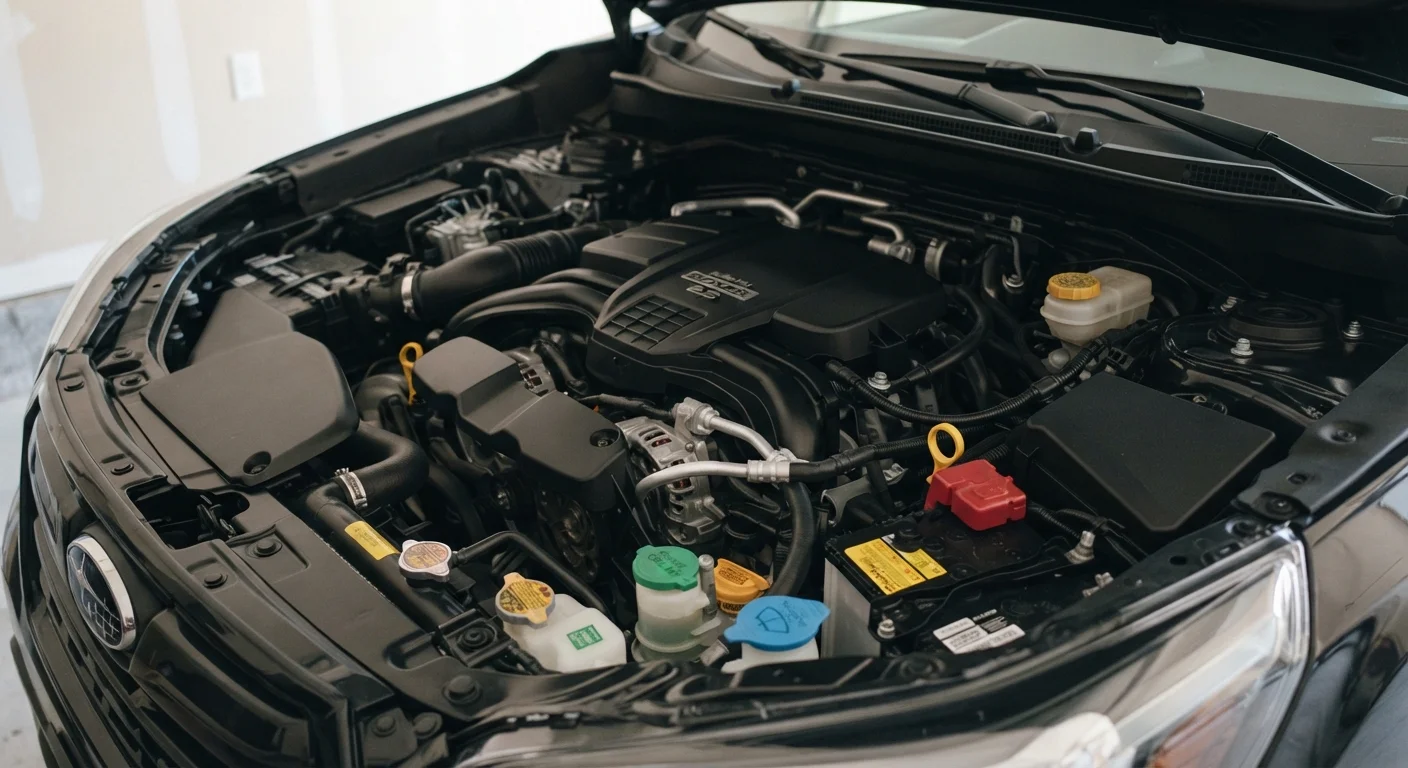
Why Fluids Are the Lifeblood of Your Vehicle
Your car is a complex machine with hundreds of moving parts generating heat, pressure, and friction every time you drive. Fluids are what keep those parts from destroying each other. They lubricate metal surfaces, transfer heat away from critical components, transmit hydraulic pressure, and protect against corrosion - often all at the same time.
Unlike a dead battery or a flat tire, fluid problems tend to develop quietly. By the time a warning light appears on your dashboard, damage may already be underway. That's why understanding your vehicle's fluids - what they do, where to find them, and what changes in color or level signal - is one of the most practical skills any driver can develop. For a broader look at keeping your vehicle in shape year-round, see the complete guide to caring for your car.
Dipstick
A long, thin metal rod inserted into an engine reservoir that lets you measure the fluid level and assess its condition by pulling it out and reading the markings.
Coolant (Antifreeze)
A liquid - typically a mix of ethylene glycol and water - that circulates through the engine and radiator to regulate temperature and prevent freezing or overheating.
Hydraulic pressure
Force transmitted through a liquid in a closed system. Your brake and power steering systems use this principle to multiply the effort you apply with your foot or hands.
Viscosity
A measure of how thick or thin a fluid is and how easily it flows. Engine oil viscosity ratings (like 5W-30) indicate performance at different temperatures.
Fluid flush
A service where all of an old fluid is drained from a system and replaced with fresh fluid, as opposed to a simple top-off that just adds more to what's already there.
Reservoir
A container in the engine bay that holds a specific fluid, usually marked with a min/max indicator so you can check the level without specialized tools.
The Six Essential Fluids Every Driver Should Know
Engine Oil
Engine oil is the most critical fluid in your vehicle. It lubricates internal engine components, reduces friction-induced heat, and helps prevent corrosion. Oil degrades over time and with use, which is why regular oil changes matter. Learn about oil types and change intervals to make informed decisions for your specific vehicle.
Engine Coolant (Antifreeze)
Coolant circulates through the engine and radiator to regulate operating temperature. It prevents overheating in summer and freezing in winter. Most modern vehicles use a 50/50 mix of coolant and distilled water. Coolant should be flushed and replaced on a schedule outlined in your owner's manual - old coolant loses its protective properties.
Transmission Fluid
This fluid lubricates and cools the transmission's gears and components. Automatic and manual transmissions use different fluid types, so always confirm what your vehicle requires. Low or burnt transmission fluid is a leading cause of transmission failure - one of the most expensive repairs a driver can face.
Brake Fluid
Brake fluid transmits the force from your brake pedal to the wheel calipers through hydraulic pressure. It absorbs moisture over time, which lowers its boiling point and can compromise braking performance. Most manufacturers recommend replacing brake fluid every two years, though this varies. For more on brake system health, see what drivers often overlook about brakes.
Power Steering Fluid
In vehicles with hydraulic power steering, this fluid enables smooth, low-effort steering. Many newer vehicles use electric power steering and don't require this fluid at all. If your steering feels stiff or you hear a whining noise when turning, low power steering fluid may be a cause.
Windshield Washer Fluid
While not mechanically critical, washer fluid directly affects visibility and road safety. Use a purpose-made automotive washer fluid - plain water can freeze in cold temperatures and won't cut through road grime or bug residue effectively.
Your Owner's Manual Is the Final Authority
Every vehicle has specific fluid type requirements - using the wrong specification can cause damage even if the fluid looks identical. Before purchasing any fluid to top off or replace, confirm the exact type and grade specified in your owner's manual. This is especially important for transmission fluid, where mixing incompatible types can lead to serious transmission damage.
How to Check Your Fluids at Home
Most fluid checks require nothing more than a clean rag, your owner's manual, and a few minutes with the hood open. Park on a level surface and, for most fluids, let the engine cool before checking - especially coolant, where opening a hot reservoir can cause burns.
- Engine oil: Pull the dipstick, wipe it clean, reinsert fully, then pull again. The oil level should fall between the two marks. Note the color - healthy oil is amber-brown; black, gritty oil is overdue for a change.
- Coolant: Check the translucent overflow reservoir (never open the radiator cap on a hot engine). The level should sit between the MIN and MAX lines.
- Brake fluid: The reservoir is typically a small translucent container near the firewall. Level should be between MIN and MAX. Note the color - dark brown fluid may need replacing.
- Transmission fluid: Many modern vehicles have a sealed transmission with no dipstick; check your owner's manual. If yours has a dipstick, the process mirrors the engine oil check.
- Power steering fluid: Locate the reservoir (often labeled with a steering wheel icon), check the level indicator on the side or dipstick on the cap.
- Washer fluid: The large, usually blue-capped reservoir is the easiest to locate and fill.
Keep a simple log of when you checked each fluid and its condition. This habit makes it much easier to spot slow leaks or unusual consumption patterns over time.
Warning Signs You Should Never Ignore
Fluids don't just run low - they can also degrade, contaminate, or leak. Knowing the difference between normal variation and a red flag can prevent a roadside breakdown or a costly repair bill.
- Rapid oil consumption: Needing to add oil between scheduled changes may indicate burning oil or a slow leak.
- Milky or foamy engine oil: This can signal coolant mixing with oil - a potential head gasket failure that requires immediate professional attention.
- Dark, burnt-smelling transmission fluid: Healthy transmission fluid is typically pink to red and smells slightly sweet. Dark, burnt fluid indicates overheating or breakdown.
- Spongy or soft brake pedal: Often linked to low brake fluid or air in the brake lines - a safety-critical issue requiring prompt inspection.
- Sweet smell near the engine: Often indicates a coolant leak; the ethylene glycol in most coolants has a distinctive sweet odor.
- Puddles or stains under the car: Different fluids leave different colored stains. Any persistent leak warrants a mechanic's assessment.
Dashboard warning lights are often triggered by fluid-related problems. Understanding what those symbols mean can help you act faster - see our guide on what dashboard warning lights are actually telling you.
Never Open a Hot Radiator Cap
The cooling system operates under pressure when the engine is warm. Opening the radiator cap on a hot engine can cause scalding coolant to spray out forcefully. Always wait at least 30 minutes after driving before checking the radiator or coolant reservoir cap. If your engine is overheating, pull over safely and call for assistance rather than attempting to open the cooling system yourself.