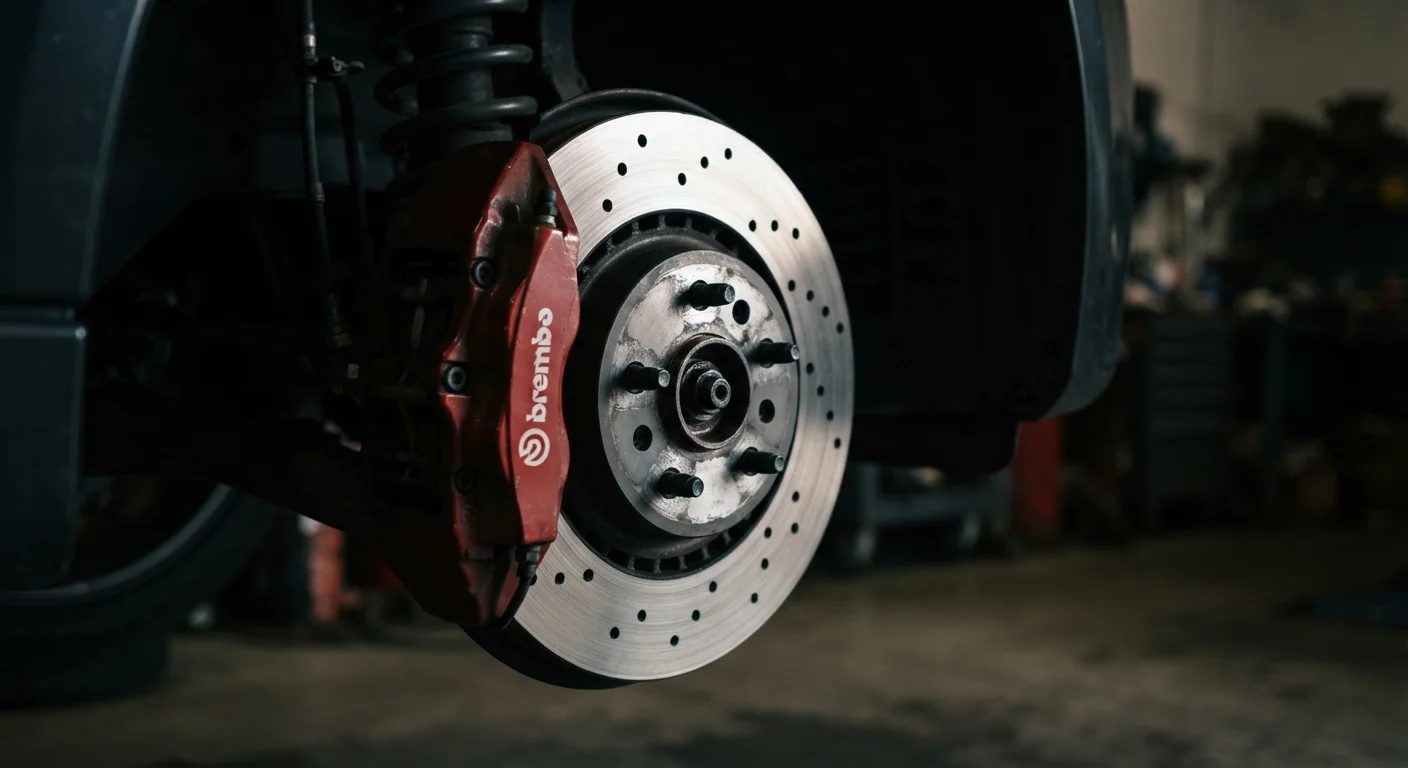
Why Brakes Deserve More Than an Annual Glance
Most drivers think about brakes only when something feels wrong. By that point, minor wear has often graduated into a more expensive repair. Unlike oil changes - which come with clear interval reminders - brake maintenance tends to get deferred until a squeal becomes impossible to ignore.
Brakes are a friction-based system. Pads press against rotors to slow the vehicle, and that contact gradually wears both surfaces down. Understanding this basic mechanic helps explain why routine checks matter more than a single annual inspection. Driving style, load, terrain, and even pad material all influence how quickly components wear.
For a broader picture of how brakes fit into your vehicle's overall upkeep, see The Complete Guide to Caring for Your Car Year-Round.
Have brake pads inspected at every oil change or tire rotation.
Pads wear gradually and the change can be imperceptible day-to-day. Regular visual checks allow mechanics to catch thinning pads before they contact rotors, preventing rotor damage that multiplies repair costs.
Replace brake fluid according to your manufacturer's interval - not just when it looks low.
Fluid level can appear normal even when the fluid is moisture-saturated and degraded. Contaminated fluid lowers braking performance under heat and can cause internal corrosion in brake components.
Adopt smooth, progressive braking habits rather than hard, last-second stops.
Aggressive braking generates significant heat, which accelerates pad wear and can warp rotors over time. Gradual deceleration distributes stress more evenly and extends component life.
Act on any unusual brake noise, pedal feel, or vehicle pull without delay.
Brake symptoms rarely resolve on their own and typically worsen progressively. Delayed attention converts a pad replacement into a rotor replacement - or worse, compromises stopping ability in an emergency.
Know your vehicle's specific brake service intervals from the owner's manual.
Generic rules of thumb don't account for your vehicle's brake design, your typical load, or your driving environment. Manufacturer specifications are calibrated to your actual system.
Warning Signs Drivers Commonly Dismiss
The brake system communicates clearly - if you know what to listen and feel for. These are the most common signals drivers tend to rationalize away:
- High-pitched squealing: Most brake pads include a small metal wear indicator designed to emit a squeal when pads get thin. This is a deliberate warning, not a coincidence.
- Grinding or metal-on-metal scraping: This typically means the pad material is gone and metal is contacting the rotor. Continued driving accelerates rotor damage significantly.
- Vibration or pulsing through the pedal: Often points to warped rotors, which can result from repeated hard braking or excessive heat buildup.
- Soft or spongy pedal: A pedal that travels further than usual before engaging can signal air in the brake lines or low brake fluid - both warrant immediate inspection.
- Pulling to one side: Uneven brake wear or a stuck caliper can cause the vehicle to drift when braking, affecting control.
Your dashboard may also show a brake warning light. Don't assume it's a sensor glitch - see What Your Dashboard Warning Lights Are Actually Telling You to understand what it may indicate.
The Fluid Factor Most Drivers Forget
Brake fluid is hygroscopic, meaning it absorbs moisture from the air over time. As water content increases, the fluid's boiling point drops - which can cause brake fade under hard or sustained braking (a temporary loss of stopping power as the fluid partially vaporizes). Many manufacturers recommend replacing brake fluid every two years or at specified mileage intervals, but this varies by vehicle.
Low Fluid Can Signal a Leak
If your brake fluid level is noticeably low - not just slightly below max - it may indicate a leak in the system rather than normal pad wear. A slow loss of fluid is not normal. Have a qualified mechanic inspect the brake lines, calipers, and master cylinder before driving the vehicle extensively.
Checking fluid is simple: the reservoir is typically a small translucent plastic container near the firewall in the engine bay. Fluid should be at or near the maximum line and appear clear to light amber. Dark or murky fluid is a sign it's time for a change. For guidance on checking all your vehicle's critical fluids, see Car Fluids 101: The Ones Your Engine Depends On.
Making Brake Maintenance Part of Your Routine
The most effective brake care isn't reactive - it's built into a regular schedule. Incorporate a brake inspection at every oil change, or at minimum twice a year. Many shops will visually inspect pads and rotors when tires are rotated, which pairs naturally with brake checks. See Why Tire Rotation Actually Matters for how that service interval works.
Driving habits also directly affect brake longevity. Smooth, gradual deceleration - rather than last-second hard stops - reduces heat and extends pad life considerably. Highway driving tends to be easier on brakes than stop-and-go city traffic, which means urban drivers may need more frequent inspections.
Whenever you take your vehicle in for service, ask specifically about brake pad thickness and rotor condition. A good mechanic will give you a measurement, not just a pass/fail verdict. For help evaluating repair recommendations, see What the Mechanic Said vs. What You Actually Need. Keeping brakes in good shape is also part of a sound seasonal maintenance approach - The Seasonal Car Maintenance Checklist covers what to check and when throughout the year.
25,000-70,000 mi
Typical brake pad lifespan range
This wide range reflects differences in driving style, pad compound, and vehicle type - city driving and aggressive braking shorten pad life significantly.
~$300-$800
Cost of pad + rotor replacement vs. pads alone
Replacing just worn pads typically costs far less than replacing both pads and scored rotors - an outcome common when warning signs are ignored too long.